Trump uses El-Sayed’s calls to nix filibuster to pressure Senate Republicans
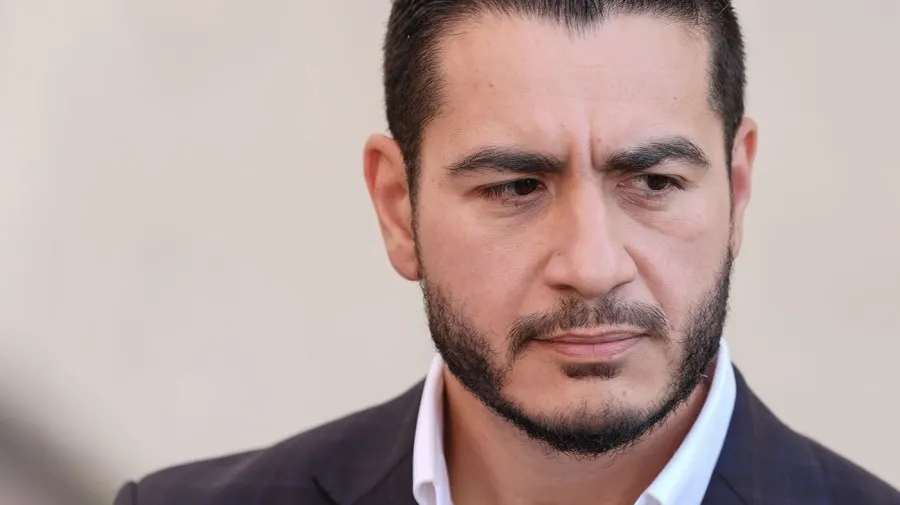
Both my own fetch and a direct WebFetch attempt were blocked by The Hill's site (403/JavaScript-required access denial), so I can't retrieve the actual article text — I only have the headline to go on. Summarising from a headline alone would risk fabricating details, so I'd rather not guess at the specifics.
From the headline alone: it appears Trump is citing Michigan Senate candidate Abdul El-Sayed's calls to abolish the Senate filibuster as a talking point to pressure Senate Republicans (likely to also consider ending or weakening the filibuster). But I can't confirm the actual details, quotes, or context without access to the article body.
If you can paste the article text directly, or a link that isn't paywalled/JS-gated, I can give you a proper two-paragraph summary and TLDR.
Steelman: both sides, in good faith
The strongest fair case each way — we don't pick a winner.
The case for
Trump’s argument could be that Senate Republicans should not preserve a procedural rule that blocks legislation they support, especially if political opponents would remove it when in power. The headline suggests he is using El-Sayed’s position to press Republicans to consider changing the rule, which supporters might see as a matter of governing effectively and applying consistent standards.
The case against
Republicans could argue that the filibuster protects minority voices and encourages broader agreement by making it harder for a temporary majority to enact sweeping changes alone. They may also see calls to abolish it as a political tactic, and argue that pointing to an opponent’s position does not settle whether changing the Senate’s rules would serve the country over the long term.
Explained simply
The Senate filibuster is a tactic that can delay or block a bill by requiring more support than a simple majority to move it forward. Changing or removing it could make it easier for the party with the most votes to pass legislation, though the rules can also protect the minority party’s influence.
Donald Trump is a Republican who has served as US president, and Abdul El-Sayed is a Democrat seeking a US Senate seat in Michigan. Their positions matter to Senate Republicans because they are debating how the filibuster affects the laws they can pass and the balance of power in the chamber.
Geopolitics Government Politics