Trump visibly deflated after reporter’s stinging comeback to claim he’s ‘one of the greatest presidents ever’
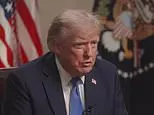
Donald Trump appeared momentarily wrong-footed during an interview with Punchbowl News after a reporter pushed back on his claim to be "one of the greatest presidents ever." The exchange arose when Trump was asked how he would handle a Democrat-controlled Congress that might pursue investigations or a second impeachment attempt if the party retook the House. His self-praising response was met with an unimpressed retort, briefly puncturing his usual confident demeanour on camera.
The moment came when Punchbowl News reporter Jake Sherman asked whether Democrats would use a potential House majority for "investigation mania" and possibly another impeachment. Trump replied that "a lot of people are saying I'm one of the greatest presidents ever," prompting Sherman to note, with a laugh, that Democrats themselves were not among those saying so. Trump pushed back, insisting Democrats "know" and "see the results," before continuing to elaborate, according to the Daily Mail's account of the interview.
In short
- Trump claimed to be "one of the greatest presidents ever" in interview
- Reporter Jake Sherman noted Democrats weren't the ones saying it
- Trump insisted Democrats privately "see the results" of his presidency
Steelman: both sides, in good faith
The strongest fair case each way — we don't pick a winner.
The case for
Supporters point to what they see as a genuinely transformative record: sweeping tax and deregulation measures, a reshaped judiciary, renewed border enforcement, and a foreign policy approach they credit with avoiding new wars and securing high-profile diplomatic agreements. From this vantage point, comparing his impact on trade, energy policy and the political realignment of working-class voters to that of past transformative presidents is a defensible, if bold, historical claim rather than mere bluster.
The case against
Critics argue that self-assessments of this kind should be weighed against measurable outcomes such as approval ratings, the passage of major bipartisan legislation, and the judgement of historians and economists, which they contend do not currently support a 'greatest ever' ranking. They would say that sound governance is better demonstrated through results and sustained public confidence than through rhetorical claims, and that a robust press challenging such assertions is a normal and healthy part of democratic accountability.
Explained simply
The House of Representatives is one of the two chambers of the US Congress, which makes federal laws and oversees the government. Its members are elected every two years, and the party with the most seats can shape the chamber’s agenda and lead its committees.
Congress can investigate the president and other parts of the government, while impeachment is a formal accusation of serious wrongdoing by the House. The House impeached Donald Trump twice during his first presidency, but the Senate did not convict him either time; a conviction can lead to removal from office.
Donald Trump is a Republican who served as US president from 2017 to 2021 and returned to the presidency in 2025. Control of the House matters because it affects how closely his administration is scrutinised and whether lawmakers can advance their priorities.