Trump wins permission to file amended complaint in $10B defamation lawsuit against BBC
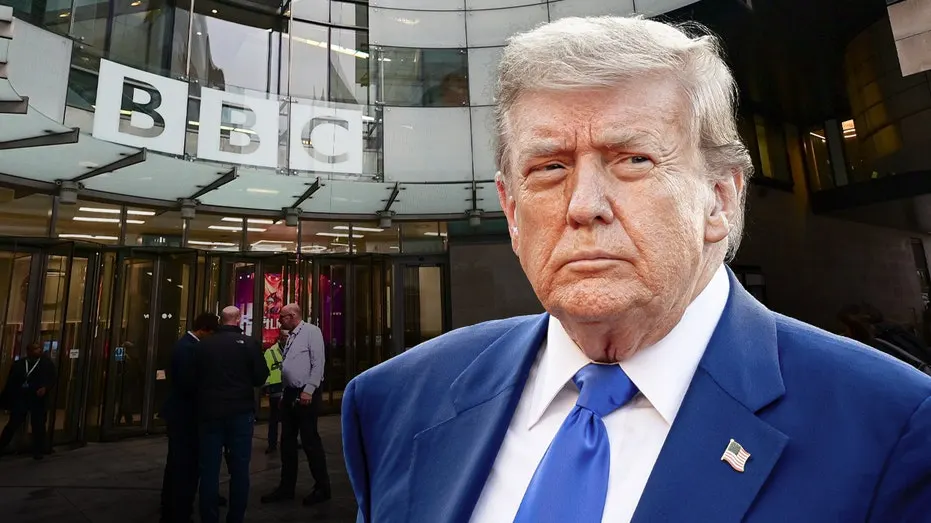
Donald Trump has been granted permission by a court to file an amended complaint in his $10 billion defamation lawsuit against the BBC, allowing his legal team to update or strengthen the claims underpinning the case. The lawsuit stems from allegations that the BBC's Panorama programme misleadingly edited footage of Trump's speech on 6 January 2021, splicing together remarks in a way that omitted his call for supporters to protest "peacefully", which Trump's team argues distorted his words and defamed him.
Trump has claimed the edited clip amounted to attempted interference in the 2024 US presidential election, and is seeking $10 billion in damages from the broadcaster. The ruling permitting an amended complaint is a procedural development rather than a verdict on the underlying merits, meaning the case will continue with Trump's revised filing before further proceedings take place.
In short
- Trump allowed to amend his $10bn BBC defamation lawsuit
- Case centres on edited Panorama footage of his 6 January speech
- Trump alleges the edit was election interference; ruling is procedural
Steelman: both sides, in good faith
The strongest fair case each way — we don't pick a winner.
The case for
Trump's position rests on a straightforward claim: the BBC removed his explicit instruction to supporters to protest peacefully, thereby falsely portraying him as inciting without restraint. He contends that deliberately omitting material context that alters the meaning of his words constitutes defamation, not editorial judgment, especially for a major broadcaster with responsibility to accuracy on matters as consequential as January 6. If selective editing can strip away facts that fundamentally change a speaker's meaning, defamation law has little purpose.
The case against
Those defending the BBC emphasise that editorial judgment about emphasis and focus is central to journalism and cannot invite defamation liability whenever a speaker disagrees with what was included or excluded. Trump's broader speech that day involved repeated inflammatory rhetoric; the decision to focus on his role in incitement rather than a single phrase calling for peacefulness is reasonable editorial judgment. More fundamentally, allowing such suits to proceed—especially with damages vastly exceeding any actual harm—weaponises defamation law to punish speech and chill necessary reporting on public figures and matters of critical public concern.
Explained simply
The BBC is the UK’s public service broadcaster, which makes news programmes as well as entertainment. Panorama is its long-running current affairs programme. Donald Trump is a US politician who was president from 2017 to 2021 and again from 2025.
The case concerns a Panorama report that used footage of Trump speaking on 6 January 2021, when supporters gathered near the US Capitol as Congress met to confirm the 2020 election result. Trump says the programme joined separate parts of his speech in a way that misrepresented what he said; the BBC has faced criticism over the edit. The dispute matters because it raises questions about how broadcasters edit political speeches and about the limits of defamation claims.