World news and discussion on TalkFuse.
Trump-Xi showdown revives 25-year-old Clinton China ‘mistake’ as Senate vet demands reversal
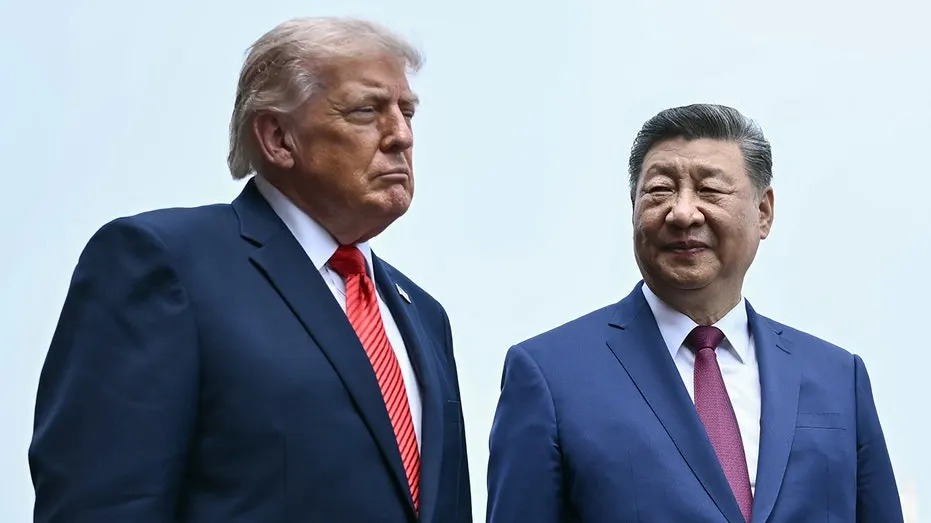
Former US ambassador Sam Brownback is urging Washington to revoke China’s permanent normal trade relations status, a trade arrangement established in 2000 and formalised in 2001. He argues that tying trade to human rights and religious freedom could put pressure on Beijing as Donald Trump prepares to meet Xi Jinping amid trade tensions and concerns about US reliance on Chinese supplies.
Revoking the status would generally mean higher tariffs on Chinese imports, rather than ending trade outright, and Brownback said any shift should take years. He proposed a “Helsinki Accords 2.0” framework linking trade discussions with human rights, and urged Trump to raise the treatment of religious groups with Xi. A US Department of Labor estimate said 100,000 Uyghurs and other minority former detainees may have been working under forced-labour conditions; Brownback described stabilising relations and reducing reliance on Chinese rare earth minerals and pharmaceutical supplies as near-term priorities.
In short
- Sam Brownback wants China’s preferential trade status revoked.
- He proposes linking trade to human rights and religious freedom.
- He says reducing US reliance on Chinese supplies will take years.
Steelman: both sides, in good faith
The strongest fair case each way — we don't pick a winner.
The case for
Revoking China’s permanent normal trade relations status could give Washington more leverage to press Beijing on human rights and religious freedom, while reducing strategic dependence on Chinese supplies. Supporters can argue that a gradual, multi-year transition would give businesses time to adjust and that trade policy should reflect concerns about forced labour and the treatment of minorities.
The case against
Keeping the status could preserve more predictable trade ties and avoid broad tariff increases that may raise costs for US businesses and consumers or provoke retaliation. Critics could argue that ending preferential treatment may not improve human rights, while weakening economic engagement could make cooperation on trade tensions and other shared concerns harder.
Explained simply
In 2000, the US Congress approved giving China permanent normal trade relations, a status formalised the following year when China joined the World Trade Organization. It removed the need for the US to renew favourable tariff treatment for Chinese goods each year, making trade more predictable.
Sam Brownback, a former US ambassador for religious freedom, wants the US to withdraw that status and connect trade talks to human rights and religious freedom. Withdrawal would generally mean higher tariffs on Chinese imports, not an end to trade, and would require changes over time.
The debate reflects tensions over China’s treatment of Uyghurs and other religious groups, as well as US reliance on Chinese supplies such as rare earth minerals and medicines. How Washington balances trade, rights concerns and supply security also shapes its dealings with China.
Asia Government Politics World