Steep tariffs on drones threaten US emergency response capacity
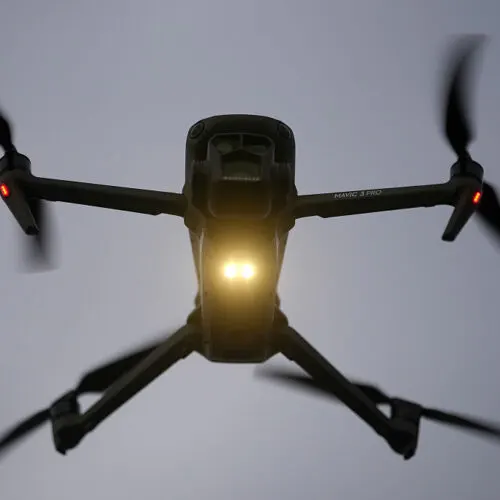
The Trump administration has imposed steep new tariffs on foreign-made drones, including a 100 percent levy on imports with thermal imaging or weighing over 55 pounds, prompting warnings from critics that the move will harm public safety and damage thousands of US businesses. The White House argues the tariffs will boost national security by reducing reliance on Chinese manufacturers, but opponents note a single Chinese firm, DJI, makes over 70 percent of the world's commercial drones, meaning there is no ready domestic alternative for essential equipment used by police, firefighters and rescue services.
Under guidance from US Customs and Border Protection, smaller drones face a 25 percent tariff, while allied nations have been hit with lower but still significant rates: 10 percent on British-made drones and 15 percent on those from the EU, Japan, South Korea, Switzerland, Taiwan and Liechtenstein. A further 25 percent tariff on "nonsensitive" drones without thermal imaging is due from February 2027. Separately, the Federal Communications Commission is weighing whether to reclassify common drone technologies, including LiDAR sensors, as "military grade," a move industry figures and public safety officials warn could amount to an "industry-killing ban" and force operators towards less capable, less safe aircraft.
In short
- US imposes 100% tariff on foreign thermal/heavy drones, alarming public safety officials
- China's DJI makes over 70% of commercial drones, leaving few alternatives
- FCC also considering reclassifying LiDAR and other tech as "military grade"
Steelman: both sides, in good faith
The strongest fair case each way — we don't pick a winner.
The case for
The tariffs could strengthen national security by reducing reliance on Chinese-made drones and encouraging a domestic supply chain for technology that may have military as well as civilian uses. Supporters could argue that short-term costs and disruption are justified if they help build more secure alternatives and reduce the risk of strategic dependence.
The case against
Emergency services and businesses rely on capable drones, and steep tariffs could make essential equipment more expensive before domestic alternatives are ready. Critics could argue that restricting widely used technologies, including sensors, risks weakening rescue and public-safety operations while harming US firms, without clearly ensuring a viable replacement supply.
Explained simply
Drones are used by police, firefighters and rescue teams to search large areas, locate people in the dark and assess dangerous situations. Many rely on thermal cameras, which detect heat, and on equipment made by foreign companies; Chinese maker DJI is a major supplier worldwide.
The US government says reducing reliance on Chinese-made drones is important for national security. New import taxes make foreign drones more expensive, with higher rates for some larger models and those with thermal imaging, while tariffs on products from several allied countries are lower.
The debate is about how to balance security concerns with the needs of emergency services and businesses that use drones. US officials are also considering tighter rules for some drone technologies, which could affect what equipment organisations are allowed to buy and operate.
Read the full article at the source →
Originally published by Ars Technica as “Trump’s 100% tariff on drones will be disaster for the US, critics warn”.