Trump’s $15B lawsuit against The New York Times carries on as judge gives his attorneys chance to amend filing
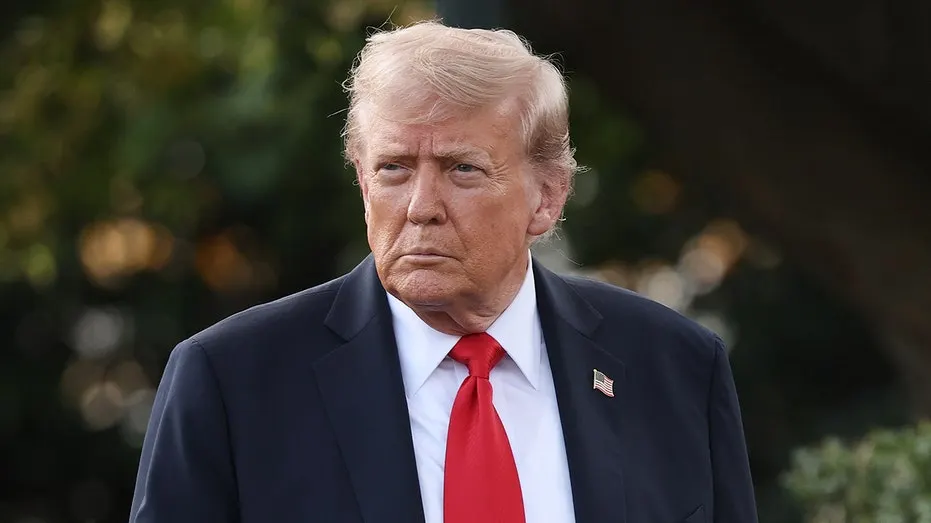
A US federal judge has allowed lawyers for President Donald Trump to amend their $15 billion defamation lawsuit against The New York Times, meaning the case will continue rather than being dismissed. Trump, who has repeatedly accused the newspaper of biased and inaccurate coverage, hailed the ruling as a win for his legal team, framing it as vindication of his long-running dispute with the publication.
The judge's decision gives Trump's attorneys an opportunity to refile or strengthen their original complaint rather than throwing the case out entirely, keeping alive one of the largest defamation claims ever brought by a sitting or former US president against a major news outlet. The lawsuit forms part of a broader pattern of legal action Trump has taken against media organisations he views as hostile, including a separate case involving the BBC over a documentary edit.
In short
- Judge allows Trump to amend $15bn NYT defamation lawsuit rather than dismissing it.
- Case against the newspaper will continue after the ruling.
- Trump calls the decision a win for his legal team.
Steelman: both sides, in good faith
The strongest fair case each way — we don't pick a winner.
The case for
News organisations possess substantial power and influence, and publication of false or misleading information can cause genuine harm to reputation and livelihood. A free press does not mean a press free from accountability; if the Times has systematically published inaccurate reporting about Trump, he has a legitimate right to pursue legal remedies like any other citizen. The judge's decision to allow amendment simply permits the case to proceed through the courts, which is the appropriate mechanism for determining whether defamation has occurred. Allowing powerful institutions to publish without legal consequences creates an imbalance in democratic accountability.
The case against
Defamation law already establishes high protections for public figures, requiring proof of actual malice—that publications knew information was false or acted with reckless disregard for truth. Trump's pattern of suing media outlets he dislikes suggests litigation as a political tool rather than genuine legal remedy for false statements. Permitting massive lawsuits by sitting or former presidents against news organisations creates a chilling effect on journalism, discouraging rigorous reporting on contentious topics and public figures. The ability to report and comment on politicians' actions without fear of ruinous litigation is essential to a functioning free press.
Explained simply
President Donald Trump has sued The New York Times for $15 billion, alleging that the newspaper published stories containing false information that damaged his reputation. This type of legal claim, known as defamation, requires proving that a publication made false statements about someone.
The New York Times is one of America's largest and most influential news organisations. Trump has frequently accused the publication of bias and has pursued legal actions against several organisations he views as hostile to him.
This is one of the largest defamation claims ever brought by a sitting or former US president against a major news organisation. Such lawsuits raise important legal questions about how courts balance protection of individuals' reputations against the press freedom that enables news organisations to report on public figures.