Trump’s Economic D-Day can hammer Iran, but will Tehran ever surrender?
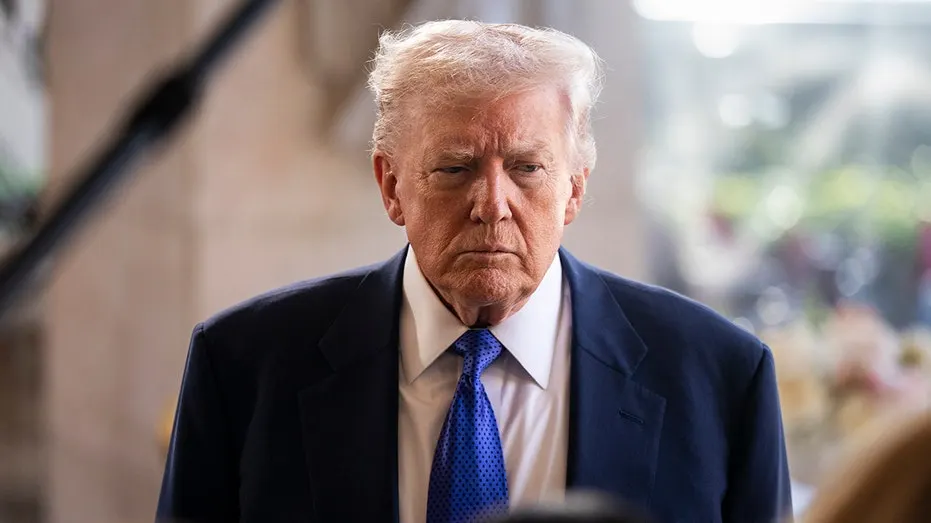
This Fox News opinion piece argues that the Trump administration's new "Economic D-Day" campaign against Iran — a sweeping sanctions and naval blockade effort dubbed Operation Economic Outcast — is inflicting serious economic damage on Tehran but offers no guarantee it will force the regime to capitulate. The author, drawing on historical parallels with WWII and the sanctions that preceded the 2015 nuclear deal, warns that economic pain and political surrender are not the same thing, and questions what "victory" over Iran would actually look like.
The campaign targets Iran's shipping, aviation, technology, gold and digital asset sectors, with around 60 individuals, entities and vessels sanctioned in its opening round, backed by a Navy-enforced blockade of Iranian ports. Iranian oil exports to China have fallen sharply, from a 2026 peak of roughly 1.58 million barrels a day to about 534,000 in August, while Iran's inflation reached 88% in July and food prices rose 128% year-on-year. The author notes that similar pressure before 2015 cost Iran over $160 billion in oil revenue without producing full capitulation, and that Trump's first-term maximum-pressure campaign also failed to secure Iran's agreement to broader US demands.
- Fox opinion piece questions whether US sanctions can force Iran to surrender.
- New campaign pairs sanctions with a Navy blockade of Iranian ports.
- Iran's inflation hit 88%; oil exports to China have plunged sharply.
New here? Start with this
The United States and Iran have been in conflict for decades, with disputes over Iran’s nuclear programme, regional influence and US sanctions. Sanctions restrict trade and financial dealings with Iran; they can reduce government income and make everyday goods more expensive.
The key players are the US government under President Donald Trump and Iran’s government, which controls the country’s policies and economy. China also matters because it buys much of Iran’s oil, providing the country with an important source of income.
Economic pressure can weaken a government, but it does not necessarily make its leaders accept another country’s demands. The dispute therefore raises questions about what outcome the US is seeking and how success would be measured.
Both sides, in good faith
The strongest fair case each way — we don't pick a winner.
The case for
Sustained economic pressure through sanctions and blockades represents a necessary and preferable alternative to military action when confronting hostile regimes. These measures inflict genuine strategic costs on Iran's economy and its ability to fund proxy forces across the region, whilst preserving potential diplomatic leverage. Without such pressure, Iran would have minimal incentive to modify its behaviour or engage in meaningful negotiations.
The case against
Historical precedent from pre-2015 sanctions and Trump's first-term maximum pressure campaigns suggests that economic coercion, despite causing real hardship, rarely produces the political capitulation advocates claim it will. Authoritarian regimes typically respond to external pressure by rallying nationalist support rather than surrendering, and absent clear diplomatic off-ramps or realistic victory conditions, such campaigns risk harming ordinary citizens whilst hardening regime resolve.