Weird & Viral news and discussion on TalkFuse.
Trump’s fight over rarely used 18th-century deportation law lives on in latest court clash
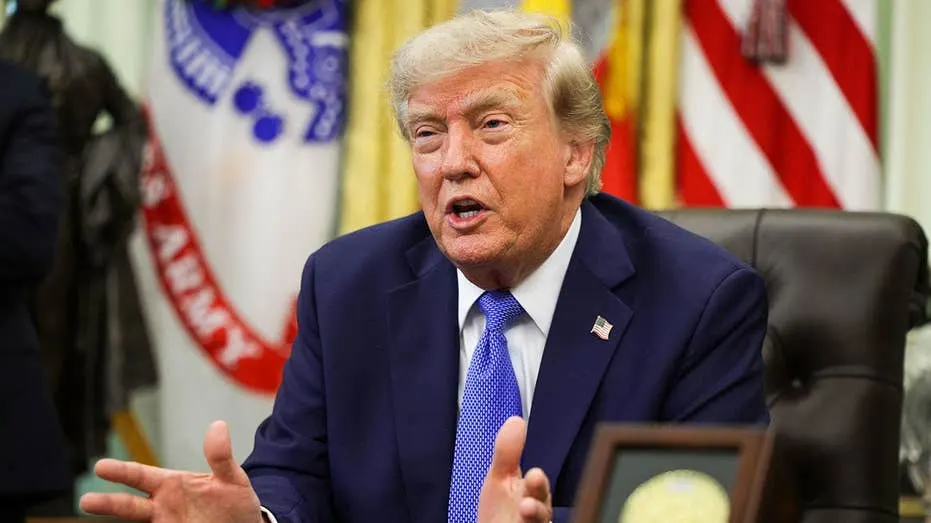
The Fifth US Circuit Court of Appeals dismissed as moot a legal challenge to President Trump’s use of the Alien Enemies Act to deport alleged members of the Venezuelan gang Tren de Aragua. The ruling ends that particular case without deciding whether the administration’s use of the 1798 law was lawful, leaving the broader dispute unresolved.
The challenge concerned migrants held in the Fifth Circuit’s jurisdiction who argued they faced removal under the rarely used wartime-era statute. The Alien Enemies Act allows the president to detain or remove nationals of an enemy country during war or an invasion, and Trump’s reliance on it has prompted several court challenges over its scope and due-process protections.
In short
- Fifth Circuit dismissed one Alien Enemies Act case as moot.
- The court did not rule on the law’s legality.
- Wider litigation over Trump’s deportation policy continues.
Steelman: both sides, in good faith
The strongest fair case each way — we don't pick a winner.
The case for
Supporters contend that Congress enacted the Alien Enemies Act as lawful presidential authority and has not repealed it despite ample opportunity to do so. Venezuelan gang members engaged in violent crime and trafficking represent a documented threat to public safety justifying use of available statutory tools. The president possesses constitutionally recognised broad authority over immigration and national security, making proper use of existing law a legitimate executive function.
The case against
Critics argue that the Act's historical purpose and text indicate it was designed for actual wars and foreign invasions, not for removing individual criminals through extraordinary procedures that bypass constitutional due-process protections embedded in immigration law. They contend such interpretation sets a dangerous precedent, allowing future administrations to circumvent established legal procedures for routine removals. Adequate tools already exist within regular immigration statutes, making expansion of executive power in this manner a conflict with proper constitutional limits.
Explained simply
The Alien Enemies Act is a US law passed in 1798, when the country was preparing for possible conflict with France. It gives the president powers to detain or remove nationals of an enemy country during a declared war, or what the law describes as an invasion.
President Donald Trump has invoked the law against Venezuelan migrants alleged to belong to Tren de Aragua, a criminal gang. Those challenging its use argue that the law does not apply in these circumstances and that people must have a chance to contest their removal.
The dispute concerns the limits of presidential power and the legal protections people facing deportation receive. Courts are being asked to interpret a law that has rarely been used, and different challenges may address questions left open in individual cases.
Paranormal Weird & Viral World