Trump’s home county hits pause on data centers over environment and electric bill concerns
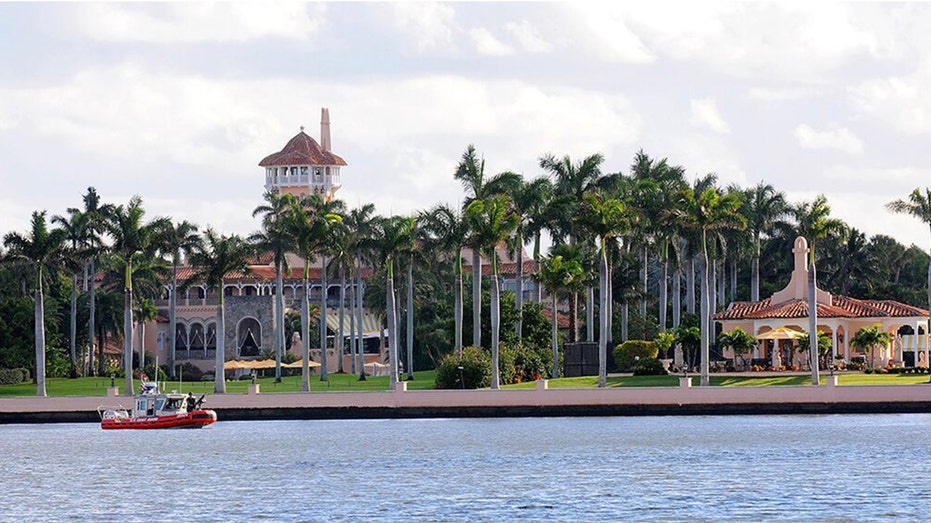
Palm Beach County, home to President Trump's Mar-a-Lago resort, has passed a one-year moratorium on planning and construction of new data centres following a unanimous 6-0 vote by commissioners. This decision comes just weeks after Trump warned that communities rejecting data centres would "end up being backwards and poor", making it a significant local pushback against the President's pro-data-centre agenda. The move is notable because it demonstrates resistance to data centre expansion even in one of the wealthiest counties in the United States, home to 65 billionaires.
The moratorium applies to new applications for data centres with anticipated peak electrical loads of at least 50 megawatts and allows county leadership time to conduct environmental impact reviews before updating zoning regulations. The decision appears largely driven by concerns over "Project Tango", a 202-acre data centre approved in 2016 situated 20 miles from Mar-a-Lago near an elementary school and homes, which commissioners voted 6-1 to reject expanding by 1.67 million square feet in July. Residents have raised concerns about increased electricity bills, environmental damage, noise pollution, and depletion of water resources, though two existing 100,000-square-foot data centre buildings remain approved for construction.
- Palm Beach County halts new data centre approvals for one year, resisting Trump's expansion agenda.
- Commissioners cite environmental, noise, and electricity concerns as reasons for moratorium.
- Existing "Project Tango" data centre project near residential areas drove local opposition.
Both sides, in good faith
The strongest fair case each way — we don't pick a winner.
The case for
A temporary moratorium gives Palm Beach County time to assess data centres’ effects on electricity prices, water supplies, noise, traffic and nearby communities before approving projects that may be difficult to reverse. Supporters argue that careful environmental review and updated zoning rules are responsible safeguards, particularly where large facilities are close to homes and schools. They may also contend that local authorities should set development conditions rather than accept pressure to prioritise rapid technological expansion.
The case against
Opponents argue that data centres can bring substantial investment, construction work, tax revenue and infrastructure improvements, while supporting the computing capacity needed for artificial intelligence and other industries. They may view a blanket pause on large projects as an unnecessarily blunt response that could deter investment, shift development to less prepared communities and limit economic opportunities. On this view, targeted environmental standards and negotiated safeguards would address local concerns without suspending new applications altogether.