Trump’s homeland security chief defends public execution of wheelchair-bound murderer as part of president’s move to ‘restore American values’
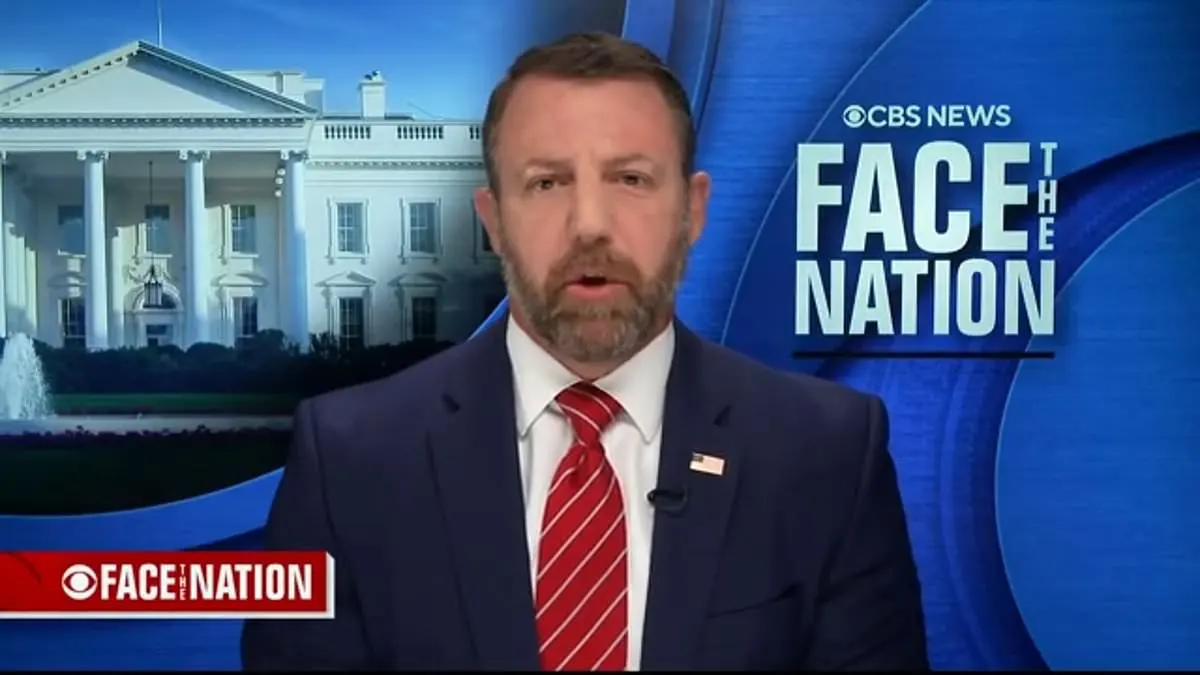
Homeland Security Secretary Markwayne Mullin defended the Pentagon’s plan to broadcast the execution of Nidal Hasan, saying President Donald Trump is seeking to “restore American values”. The proposal has prompted criticism, including from some Republicans, over the public treatment of an execution and concerns it could make Hasan a martyr or encourage radicalisation.
Hasan, a former Army psychiatrist, was convicted of killing 13 people and attempting to kill 32 others in a 2009 shooting at Fort Hood, Texas. He was left paralysed during a gun battle with police and is scheduled to be executed by firing squad on 3 December. Trump initially backed a public broadcast but said he had not made a final decision; Defense Secretary Pete Hegseth said public execution would show the consequences of such attacks.
- Mullin defended the proposed public broadcast of Hasan’s execution.
- Hasan was convicted over the 2009 Fort Hood shootings.
- Trump says he has not decided whether it will be broadcast.
New here? Start with this
Nidal Hasan is a former Army psychiatrist convicted of carrying out a mass shooting at Fort Hood military base in Texas in 2009, killing 13 people and attempting to kill 32 others. He was shot and paralysed during a gunfire exchange with police, and now uses a wheelchair. He is scheduled to be executed by firing squad on 3 December.
The Trump administration is considering whether to broadcast Hasan's execution publicly, an unusual step. Homeland Security Secretary Markwayne Mullin has defended the proposal as part of efforts to "restore American values", whilst Defense Secretary Pete Hegseth has argued it would demonstrate the consequences of such attacks.
The proposal has drawn criticism, including from some Republicans. Opponents worry that a public execution could turn Hasan into a martyr or encourage radicalisation, and they question whether it is appropriate to treat an execution as a public spectacle. President Trump initially supported the idea but has said he has not yet made a final decision.
Both sides, in good faith
The strongest fair case each way — we don't pick a winner.
The case for
The case for public execution centres on justice and accountability for the gravest crimes. Proponents argue that executing a man convicted of murdering 13 people and attempting to kill 32 others represents essential consequences for terrorism and mass violence; that publicly demonstrating such accountability deters future attacks and restores public confidence in the rule of law. They contend that broadcasting the execution shows America's resolve against those who would target soldiers and citizens, and that the victims' families and the broader public deserve to witness justice carried out for such extraordinary crimes.
The case against
Critics contend that public execution conflicts with modern democratic values and practical security considerations. They argue that broadcasting Hasan's execution risks creating a martyr narrative that could inspire radicalisation among extremist audiences and potentially incite further violence; that spectacularised execution diverges from how democratic societies typically conduct capital punishment and raises serious questions about human dignity. Additionally, they note that effective justice does not require public spectacle—that consequences can be demonstrated through conviction and punishment itself, thereby serving accountability whilst avoiding the risks of glorification and extremism that a public platform provides.