Trump’s hypocritical new tariffs are a chance for the world to fight back | Joseph Stiglitz
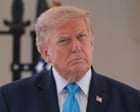
Nobel laureate economist Joseph Stiglitz argues that Donald Trump's latest round of tariffs, imposed under the pretext of curbing forced labour abroad, is actually a disguised attempt to seize a greater share of global trade for the United States. He notes the new tariffs closely mirror those Trump previously justified on the basis of bilateral trade deficits, suggesting the forced-labour rationale is a convenient cover story rather than a genuine policy concern, and highlights that China has largely escaped these measures because of its leverage over rare earths and critical minerals.
Stiglitz points to the hypocrisy of the move, noting the US itself has a long history of forced labour through a loophole in the 13th amendment that permits involuntary servitude as criminal punishment, with less than a quarter of US states banning the practice; a 2005 study found around 600,000 prisoners working in manufacturing, equivalent to 4.2% of that workforce. He also singles out the tariffs against the EU as particularly unjustified, since the bloc's 2024 Corporate Sustainability Due Diligence Directive already bans imports made with forced labour, arguing the EU and other nations now have grounds and opportunity to push back against Washington.
- Stiglitz says Trump's forced-labour tariff pretext is a ruse to grab trade share
- US itself has extensive prison-based forced labour, largely unaddressed
- EU already bans forced-labour imports, making new US tariffs against it hypocritical
New here? Start with this
Tariffs are taxes a government places on goods imported from other countries, and they have been a central tool of Donald Trump's trade policy. His administration has previously imposed tariffs on the grounds that other countries sell more to the US than they buy from it, and it has now introduced a new set of tariffs framed around concerns about forced labour in supply chains abroad. Joseph Stiglitz, a Nobel prize-winning economist known for his critiques of US economic policy, has written an opinion piece examining the reasoning behind these new measures.
The 13th amendment to the US constitution abolished slavery in 1865 but included an exception allowing forced labour as punishment for crime, meaning prisoners in many US states can still be required to work, including in manufacturing. The European Union, meanwhile, brought in a law in 2024 called the Corporate Sustainability Due Diligence Directive, which already prohibits goods made using forced labour from entering the bloc. China's dominance over rare earth elements and other minerals critical to modern industry gives it significant leverage in trade disputes.
This matters because tariffs affect the price of goods, the flow of trade between major economies, and relations between the US and its trading partners, including the EU and China. Debates over the true motives behind tariff policy, and over double standards in how labour practices are judged, can shape how other countries choose to respond, whether through negotiation, retaliation or legal challenge.