Culture news and discussion on TalkFuse.
Trump’s Justice Department sues New York, other blue states over tuition for illegal immigrants
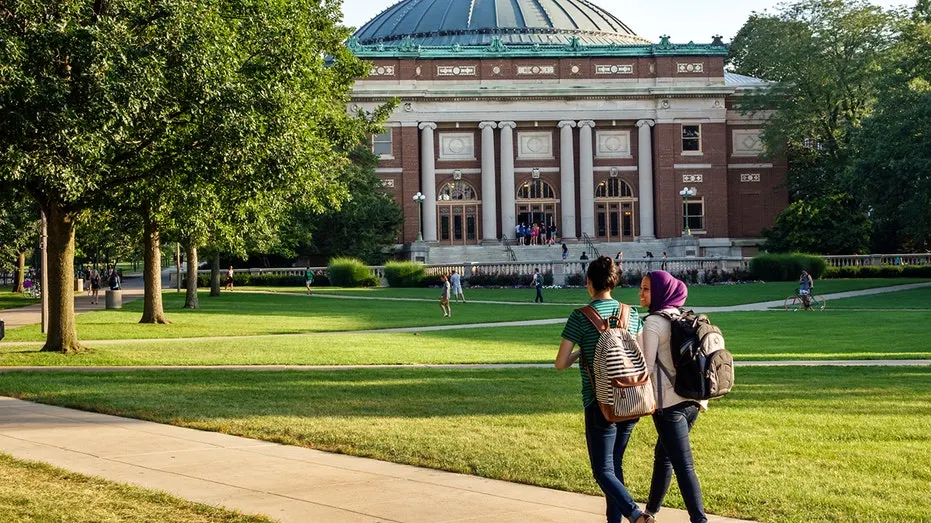
The US Department of Justice, under the Trump administration, has filed lawsuits against New York, Connecticut and Vermont over state laws that grant in-state college tuition rates to illegal immigrants. The move forms part of a wider push by the administration to challenge Democratic-led states on immigration policy, arguing that such tuition benefits are unlawful when they are not equally available to out-of-state American citizens.
The lawsuits target laws in the three states that allow undocumented students to pay the same discounted tuition as in-state residents at public colleges and universities, rather than higher out-of-state rates. Coverage of the story noted related context from Colorado, where Governor Jared Polis has defended his state's similar in-state tuition policy while clarifying that undocumented students remain ineligible for federal financial aid such as Pell grants or student loans.
In short
- DOJ sues New York, Connecticut and Vermont over immigrant tuition laws
- Trump administration challenges in-state tuition rates for illegal immigrants
- Part of broader federal push against Democratic-led state immigration policies
Steelman: both sides, in good faith
The strongest fair case each way — we don't pick a winner.
The case for
States should retain autonomy over their educational systems and residency policies, particularly as these students have often grown up in their communities and will contribute as workers and taxpayers. Education has traditionally been a state responsibility, and allowing undocumented residents to access in-state tuition rates serves legitimate state interests in building a more educated workforce and creating opportunity for those living within their borders. These policies reflect a principled judgment that community members deserve equal access to public education regardless of federal immigration status.
The case against
Immigration policy is fundamentally a federal matter, and states should not use education benefits to circumvent federal immigration law or effectively reward unlawful entry. The fact that undocumented immigrants receive more favourable tuition rates than out-of-state American citizens raises significant equal protection concerns and creates perverse incentives regarding immigration. Federal immigration law should establish baseline standards that states cannot undermine through selective provision of publicly funded benefits.
Explained simply
Public universities in the United States usually charge lower tuition to students who live in the state than to those from elsewhere. Some states also let undocumented students who meet certain conditions pay the lower rate; these students do not have lawful immigration status.
The Justice Department is the federal agency that enforces US law, while states set many rules for their public colleges. The dispute centres on whether states can offer undocumented students the lower rate without extending it to US citizens from other states. Similar policies exist elsewhere, and undocumented students cannot receive federal aid such as Pell grants.