Politics news and discussion on TalkFuse.
Trump’s Legal Rationales for Prosecuting Congressional Investigators Range From Vague to Implausible
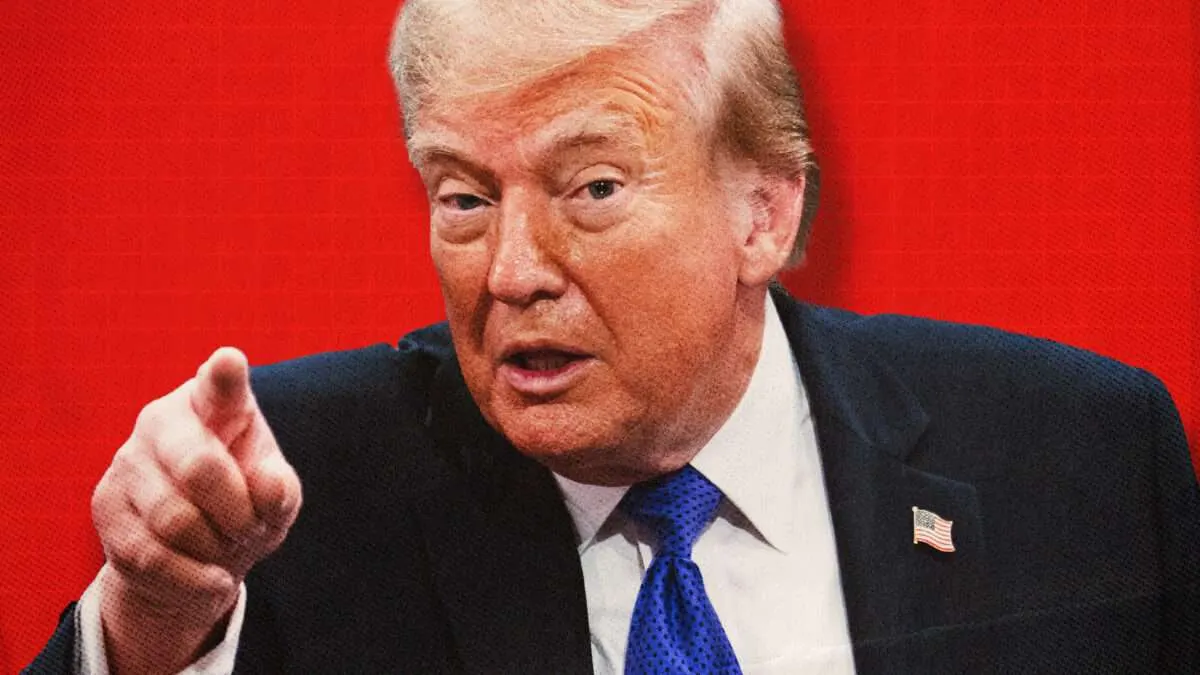
Donald Trump threatened to prosecute Democrats planning investigations into his administration after they take control of Congress in January, accusing them of extortion and other criminal conduct. His attorney general, Todd Blanche, echoed the criticism but offered no clear legal basis, leaving questions about whether the threat could chill Congress’s oversight of the administration.
Trump pointed to plans for hearings and subpoenas, Rep. Robert Garcia’s advice to officials to “lawyer up”, criticism of Stephen Miller and Sen. Elissa Slotkin’s comments about deterring people from joining the administration. Blanche said such rhetoric might cross a legal line, but did not identify a statute that applied; later, he said there were no ongoing criminal investigations into lawmakers’ words.
In short
- Trump threatened prosecutions over planned congressional investigations.
- Blanche criticised Democrats’ rhetoric but named no applicable law.
- He later said there were no ongoing investigations into lawmakers’ words.
Steelman: both sides, in good faith
The strongest fair case each way — we don't pick a winner.
The case for
Supporters of the administration could argue that congressional oversight must not become a vehicle for coercion or threats against officials, and that public calls to “lawyer up” or to deter people from government service merit scrutiny if they are tied to unlawful pressure. They might also say that warning lawmakers about possible legal consequences is legitimate where specific conduct could violate the law, provided any prosecution is based on evidence and ordinary legal standards.
The case against
Critics could argue that hearings, subpoenas and public criticism are ordinary tools of congressional oversight, and that the administration has not identified a clear legal basis for treating the cited remarks as criminal. They may see threats of prosecution as risking a chilling effect on lawmakers’ scrutiny of the executive branch, particularly when officials acknowledge there are no ongoing investigations into lawmakers’ words.