Culture news and discussion on TalkFuse.
Trump’s new attorney general issues sweeping order to protect the president’s private messages if Democrats take power
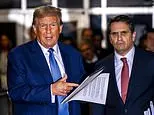
The US Justice Department's Office of Legal Counsel has issued a memo significantly expanding the scope of executive privilege available to President Donald Trump, in an apparent move to shield his private communications from potential congressional investigations should Democrats gain control of the House or Senate after November's midterm elections. The memo was published shortly after Todd Blanche, Trump's former personal lawyer, was sworn in as attorney general, and represents a Justice Department legal position rather than a binding court ruling, though it could still substantially limit Democrats' ability to subpoena witnesses or obtain records tied to Trump.
Signed by Assistant Attorney General T. Elliot Gaiser, the memo broadens the definition of "private advisers" protected by executive privilege to include private citizens, state officials and staff in other branches of government, provided their communications relate to presidential decision-making and remain confidential. It follows Trump's frequent use of executive privilege during and after his first term to resist Democrat-led subpoenas, including attempts to block access to White House visitor logs and testimony linked to the January 2021 Capitol riot investigation. Critics, including former DOJ officials, have accused the department of political bias, while a recent Kalshi forecast puts Democrats' chances of retaking the House at around 85%, against roughly 15% for Republicans, with a Senate majority seen as far less likely.
In short
- DOJ memo widens executive privilege to shield Trump's private communications
- Move seen as pre-empting Democrat-led probes if they win Congress in November
- Critics say it politicises DOJ; Democrats favoured to retake the House
Steelman: both sides, in good faith
The strongest fair case each way — we don't pick a winner.
The case for
Executive privilege protects the candid advice presidents need to govern effectively, a principle that has bipartisan historical support and constitutional grounding. This memo clarifies that privilege applies to advisers including private citizens when their communications relate to presidential decision-making—a reasonable interpretation of how contemporary presidents actually operate. Defenders argue the expansion reflects proper constitutional principle rather than partisan gamesmanship and is necessary to ensure future presidents can receive frank counsel without fear of politicised subpoenas.
The case against
This memo appears specifically designed to shield this president from congressional investigations before Democrats potentially assume power, raising concerns it reflects partisan motivation rather than principled constitutional interpretation. The expansion to private citizens and sweeping confidentiality protections far exceeds historical bounds of executive privilege, which was never intended as a blanket shield against all oversight. Critics argue it effectively neutralises congressional subpoena authority and checks on executive power, fundamentally compromising the constitutional balance between branches.
Explained simply
Executive privilege is the president’s claimed power to keep some confidential communications with advisers private, especially when they concern government decisions. Congress can investigate the executive branch and seek records or testimony, but disputes over privilege can lead to legal challenges.
The Justice Department’s Office of Legal Counsel advises the government on legal questions; its opinions guide how federal agencies act but are not court rulings. The memo was signed by T. Elliot Gaiser, and Todd Blanche, Trump’s former personal lawyer, had just become attorney general.
Trump has previously invoked executive privilege to resist congressional requests, including during investigations into the January 2021 attack on the Capitol. The scope of the privilege matters because it can affect what Congress can obtain when overseeing the president and the executive branch.
Art Culture Government Politics World