World news and discussion on TalkFuse.
Trump’s New Chip Export Rule Targets China but Exempts TikTok’s Parent Company
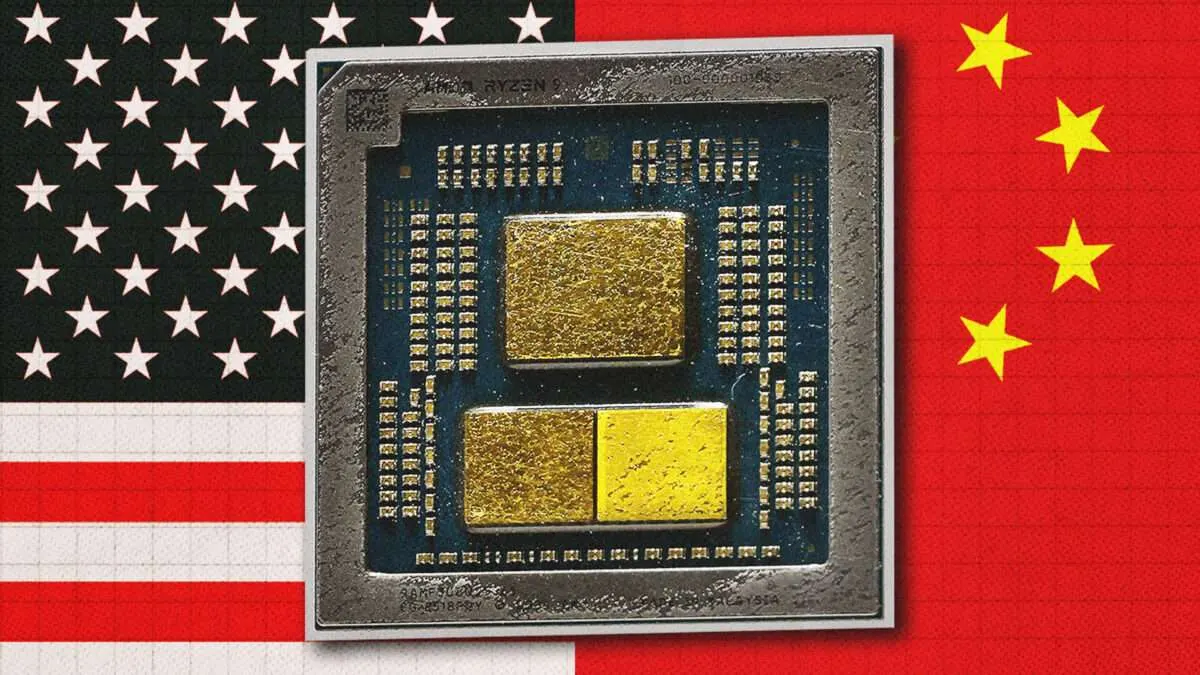
The US Commerce Department has introduced new licensing requirements for advanced semiconductor chips used by overseas data centres that provide substantial computing power to companies linked to China and other restricted countries. The rule is intended to limit Beijing’s access to computing capacity for training AI models, while expanding the checks required of data centres, chip exporters and foreign foundries.
Covered data centres have 90 days from publication to obtain a licence if they serve companies headquartered in Macau or countries in Group D:5, which includes China. The rule also requires due diligence on customers’ ownership and control. It exempts commercial recommendation systems used by social media and e-commerce platforms; the article argues this could include Chinese firms Alibaba and ByteDance, TikTok’s parent company, despite the rule’s national security rationale.
In short
- New US rules require licences for chip-powered data centres serving China-linked companies.
- Data centres have 90 days to comply.
- Recommendation systems, including those used by ByteDance, are exempt.
Steelman: both sides, in good faith
The strongest fair case each way — we don't pick a winner.
The case for
The rule addresses a national security risk: advanced chips and data-centre capacity can help China train powerful AI systems, so licensing and ownership checks may make it harder to obtain that capability indirectly. Exempting commercial recommendation systems could keep ordinary social media and e-commerce services from facing burdensome controls where their computing use is not judged to pose the same strategic risk.
The case against
The exemption may weaken the rule’s stated aim if it covers major Chinese firms such as Alibaba or ByteDance, whose platforms also depend on substantial computing resources. Critics could argue that distinguishing recommendation systems from other AI uses is difficult to enforce, and that an exemption based on application leaves room for sensitive capabilities to benefit from access that the broader controls are meant to restrict.
Explained simply
Advanced chips can be linked together in data centres to provide the computing power needed to train artificial intelligence systems. The United States controls exports of some of these chips and has said access to large-scale computing could help China develop advanced technology.
The new licensing rules apply to certain overseas data centres serving companies based in China, Macau or other restricted destinations. Data centres and chip suppliers must check who owns and controls their customers, and obtain approval within 90 days where the rules apply.
The rules make an exception for commercial recommendation systems, which suggest products or content to users on social media and shopping platforms. That exception may cover systems used by Chinese companies such as Alibaba and ByteDance, which owns TikTok, while the rules are intended to limit China’s access to computing power.
Asia Business Companies Politics Trending Weird & Viral World