Technology news and discussion on TalkFuse.
Trump’s Nvidia intervention ties his political fortunes to the AI boom
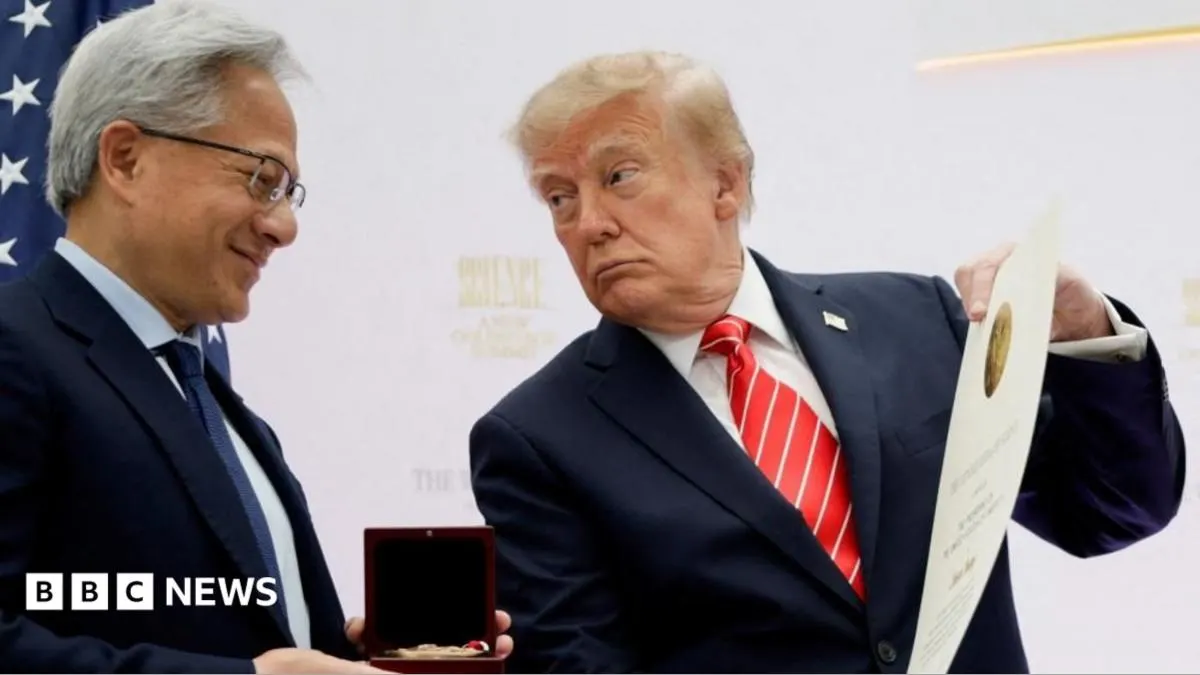
President Donald Trump has publicly claimed credit for Nvidia bringing back its former head, Jensen Huang, and celebrated the company’s rising share price. His intervention links his political fortunes more closely to Nvidia and the wider AI boom, as lawmakers question whether the company’s dealings with China put US security at risk.
Trump says a federal investigation cleared Huang, but Democrats and some Republicans plan their own scrutiny, including possible subpoenas and witness testimony. Republican Senator Tom Cotton says Congress has much to investigate, while critics argue the administration is not responding to public concerns about AI; opposition to data centre construction and calls for stronger safeguards featured in recent US midterm campaigns.
In short
- Trump takes credit for Nvidia’s decision to bring back Jensen Huang.
- Lawmakers plan scrutiny of Nvidia’s China-related chip dealings.
- AI concerns and data centre opposition could pose political risks.
Steelman: both sides, in good faith
The strongest fair case each way — we don't pick a winner.
The case for
Trump’s engagement with Nvidia can be defended as an effort to support a strategically important US technology company and strengthen American leadership in AI. If an investigation cleared Huang, celebrating the company’s success and keeping channels open with its leadership may be seen as reasonable, while congressional scrutiny can continue through its own processes. The administration may also argue that AI investment and data centres bring economic and security benefits that should be weighed alongside public concerns.
The case against
Critics can argue that a president publicly taking credit for Nvidia’s leadership and share price risks tying national policy to one company’s fortunes and blurring the line between public interest and political advantage. Given concerns about Nvidia’s dealings with China, an asserted federal clearance may not settle the questions lawmakers consider relevant, making independent scrutiny and testimony important. Public unease over data centres and calls for stronger AI safeguards also support the case that the administration should address broader risks, not chiefly celebrate commercial growth.
Explained simply
Nvidia makes the computer chips used to train and run many artificial intelligence systems. Its chief executive, Jensen Huang, has led the company through a period of rapid growth as demand for those chips has risen.
The US government has to balance the commercial gains from selling advanced technology with concerns that it could strengthen China’s military or technology sector. Congress can investigate those risks and question officials and company representatives, even when the administration says an inquiry has cleared them.
AI’s growth also has effects beyond trade and national security. Data centres need land, electricity and water, and debate over their construction and the safeguards for AI has become part of US politics.
AI Americas Business Companies Government Politics Technology World