Trump’s Pentagon shake-up revives a presidential power play with a long history
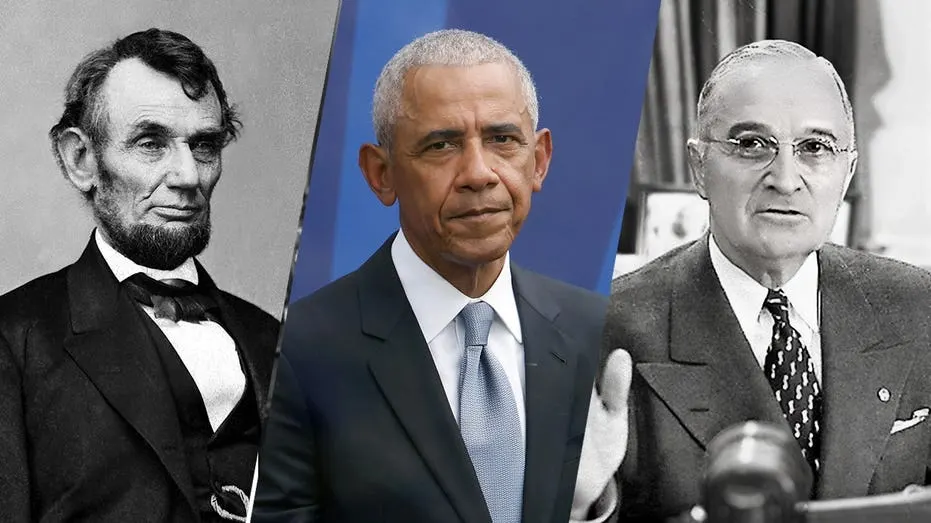
The resignation of Army Secretary Dan Driscoll has intensified scrutiny of the Trump administration's overhaul of Pentagon leadership, with some Democrats and Republicans warning that Defense Secretary Pete Hegseth's approach is destabilising the military's senior ranks. However, presidents removing top military figures is a longstanding practice rather than a new development, with precedents stretching from Abraham Lincoln to Harry Truman. What critics say distinguishes the current situation is the speed and scale of the turnover, fuelling debate over whether the changes are strengthening the armed forces or leaving damaging leadership gaps.
At least 20 military leaders have left their posts during Trump's second term amid disputes over Hegseth's leadership style, military strategy and DEI policies, according to a CBS report. Senator Thom Tillis warned of a "leadership void", while Senator Jack Reed accused Hegseth of punishing dissent, though Pentagon spokesman Parnell defended him as a "transformative leader" who has boosted morale and recruitment. The article draws parallels with past presidential shake-ups, including Truman's dismissal of Douglas MacArthur over Korean War strategy, Obama's acceptance of Chuck Hagel's resignation in 2014, and Lincoln's removal of generals McClellan and Burnside during the Civil War. Trump has named Adam Telle as acting Army secretary following Driscoll's departure.
In short
- Army Secretary Dan Driscoll's exit fuels criticism of Hegseth's Pentagon leadership changes
- At least 20 military leaders have departed under Trump's second term
- Historians note presidents removing commanders is a longstanding, not new, practice
Steelman: both sides, in good faith
The strongest fair case each way — we don't pick a winner.
The case for
Presidents need authority to choose senior military leaders who can carry out their administration’s strategy, and past presidents have removed or replaced commanders when they lost confidence in them. Supporters may argue that Hegseth’s changes are a necessary reset that challenges entrenched practices, aligns leadership with elected policy and, as the Pentagon says, has improved morale and recruitment.
The case against
The pace and scale of departures could weaken continuity, leave critical posts vacant and make it harder for the military to plan and carry out its duties. Critics may also argue that removing leaders amid disputes over strategy or policy risks deterring candid professional advice and creates a leadership void, even if presidents have long had the power to replace senior figures.
Explained simply
The Pentagon is the US government department responsible for the armed forces. Its senior civilian leaders, including the defence secretary and the Army secretary, are appointed by the president, who also has authority over the military as commander-in-chief.
Presidents have long replaced senior military figures when they disagree over strategy or leadership. Past examples include Abraham Lincoln removing Civil War generals and Harry Truman dismissing General Douglas MacArthur during the Korean War.
The current debate concerns the number and pace of senior departures under President Donald Trump and Defence Secretary Pete Hegseth. Supporters say the changes can improve the military, while critics warn that frequent turnover may leave gaps in leadership.