World news and discussion on TalkFuse.
Trump’s ‘perverse’ Ukraine stance twists the path to peace
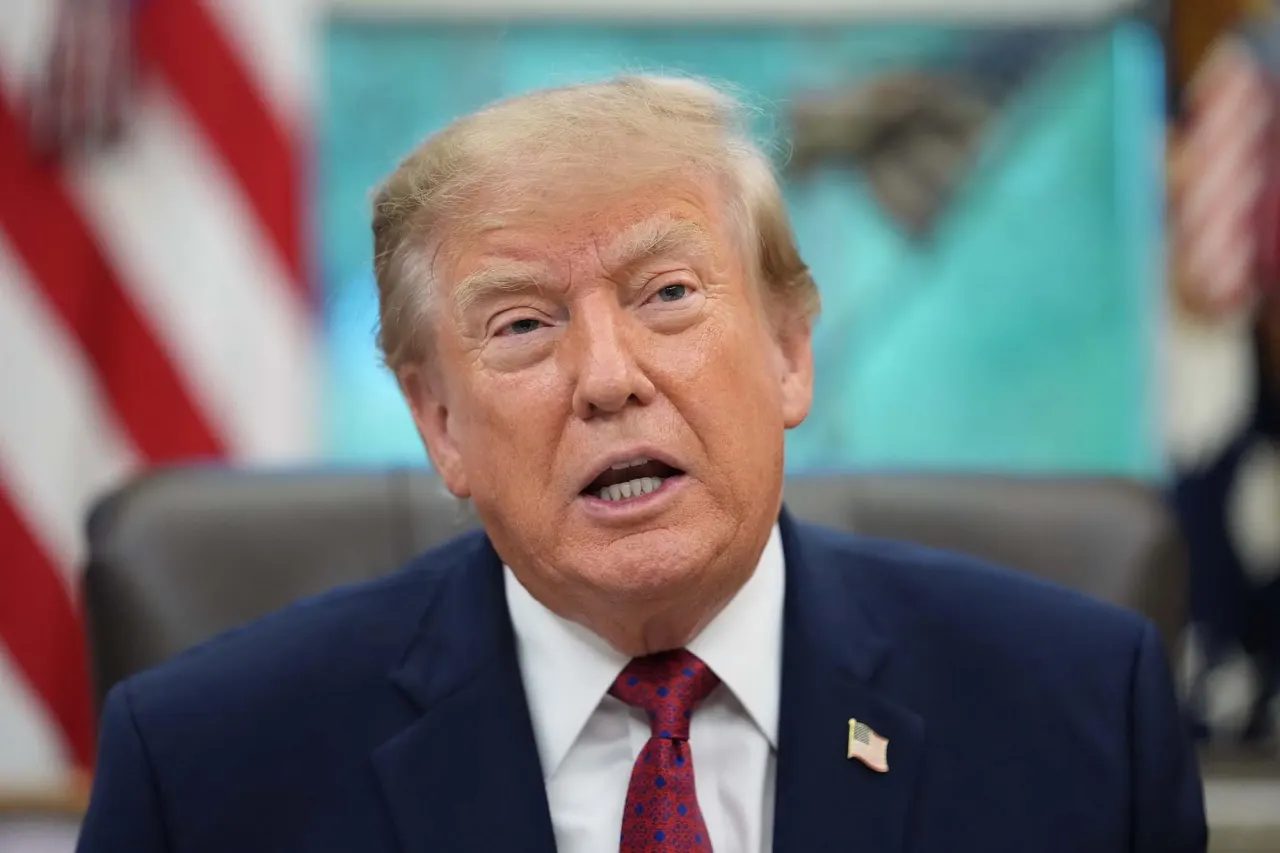
The article argues that Donald Trump’s approach to the war in Ukraine is being presented as pragmatic foreign policy but is instead too personal and tilted against Kyiv. It says treating Ukraine and Russia as equally responsible for attacks on energy infrastructure overlooks that Russia began the invasion, and could weaken Ukraine’s ability to resist.
The piece says Ukraine has tried to accommodate Trump while European countries have increased their aid, yet the US has slowed Starshield support and reportedly paused intelligence sharing. It suggests Trump’s interest in a deal with Vladimir Putin, a meeting with Putin and China’s Xi, and hopes of drawing Russia away from China may encourage Moscow to prolong the war if it thinks Washington could abandon Kyiv. The article concludes that peace on acceptable Western terms is unlikely soon.
In short
- The article says Trump’s policy is too accommodating to Russia.
- Ukraine’s attacks on Russian energy sites are framed as a means of resistance.
- The author argues perceived US wavering gives Moscow reason to keep fighting.
Steelman: both sides, in good faith
The strongest fair case each way — we don't pick a winner.
The case for
A proponent of Trump’s approach could argue that ending the war requires engaging Moscow and keeping channels open, even when doing so means pressing Kyiv as well as Russia to compromise. Treating attacks on energy infrastructure as a mutual concern, and reviewing military or intelligence support, may be intended to create leverage for negotiations and reduce the risk of a prolonged conflict. A broader deal with Russia could also be seen as a way to limit its alignment with China.
The case against
Critics argue that equating the parties’ conduct obscures Russia’s responsibility for launching the invasion and risks weakening Ukraine’s ability to defend itself. If Moscow sees US support as uncertain, it may conclude that prolonging the war will improve its negotiating position, while Kyiv faces pressure to accept terms that compromise its security. On this view, diplomacy is more likely to produce a durable peace when it deters further aggression and includes Ukraine as an equal participant.
Explained simply
Russia launched its full-scale invasion of Ukraine in 2022, and the fighting has continued despite repeated efforts to find a way to end it. Ukraine relies on military and intelligence support from the United States and European countries, alongside its own forces, to defend itself.
Donald Trump, the US president, has said he wants to reach a deal with Russian President Vladimir Putin. Ukraine’s government, led by President Volodymyr Zelenskyy, and European governments have sought to influence the terms of any settlement and maintain support for Ukraine. The United States’ role matters because changes to its assistance could affect Ukraine’s ability to defend itself and the calculations of Russia and its partners.