Trump’s teleprompter operator who bet on speeches no longer working in the government
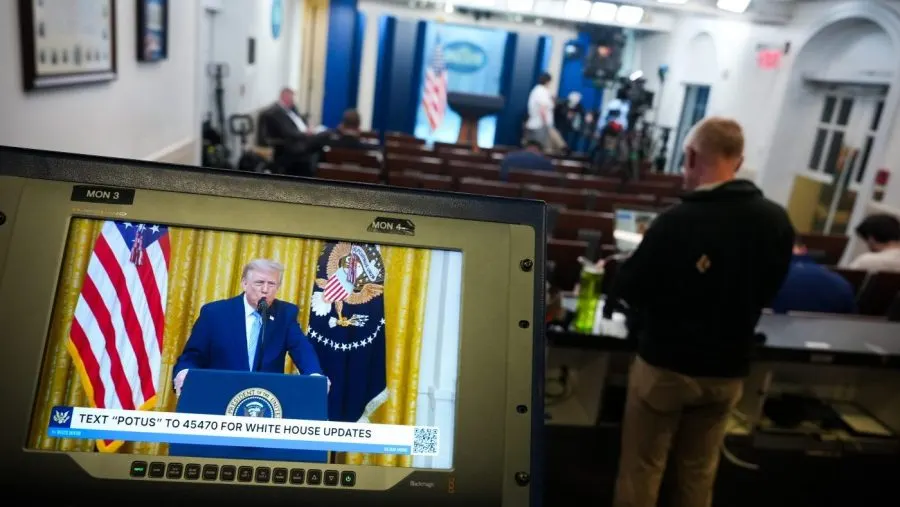
Gabriel Perez, President Donald Trump’s long-serving teleprompter operator, has been placed on unpaid administrative leave and will no longer work at the White House after allegations that he bet on the contents of Trump’s speeches. The case matters because it raises potential ethical and legal concerns over a government employee using access to non-public speech material for personal financial gain.
The alleged bets were placed on Kalshi’s prediction markets, including contracts on whether particular words or topics would be mentioned in public remarks. ABC News reported that Perez, who had operated Trump’s teleprompter since 2016, made more than $100,000 from bets on over a dozen speeches; Kalshi referred suspicious activity to federal regulators, and the Commodity Futures Trading Commission is investigating.
In short
- Trump’s teleprompter operator was removed from White House work.
- He allegedly used speech access to bet on Kalshi.
- Federal regulators are investigating reported winnings exceeding $100,000.
Steelman: both sides, in good faith
The strongest fair case each way — we don't pick a winner.
The case for
Perez exploited his government position to gain significant financial advantage by betting on speeches he had advance knowledge of through his official duties. This represents a classic breach of fiduciary duty—a government employee using non-public information obtained through employment for personal profit. The systematic nature of the bets and the $100,000+ in earnings demonstrate deliberate exploitation that violates the trust placed in government employees and potentially constitutes insider trading, regardless of whether speeches are eventually public.
The case against
Prediction markets operate fundamentally differently from securities markets, pricing transparent public events rather than material corporate secrets. As a teleprompter operator, Perez necessarily knew speech contents beforehand as part of his job; the information at issue—specific words or topics in publicly delivered remarks—bears no resemblance to confidential information insider trading laws were designed to protect. The speeches were fully public and the advance knowledge temporally brief, posing no systemic risk. Applying insider trading enforcement to prediction markets about public events may represent regulatory overreach unsupported by the law's original intent.
Explained simply
Gabriel Perez was President Trump's teleprompter operator, a position he held since 2016. In this role, he had access to the text of speeches before they were publicly delivered.
Perez allegedly used this privileged access to place bets on Kalshi's prediction markets, wagering money on whether certain words or topics would appear in Trump's upcoming speeches. He is reported to have made over $100,000 from these bets on more than a dozen speeches before the scheme came to light.
This raises ethical and legal concerns because Perez was using confidential information not available to the public for personal financial gain. When Kalshi reported the suspicious activity to federal authorities, Perez was placed on unpaid leave and removed from the White House, with regulators now investigating the matter.
Americas Government Politics World