World news and discussion on TalkFuse.
Trump’s top cop becomes campaign warrior as Comey case collapses and DOJ faces fire
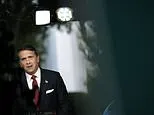
US Attorney General Todd Blanche addressed the Republican Party's midterm convention in Dallas, an appearance critics say breaks with the long-standing convention that America's top law enforcement official stays out of party politics. Former Justice Department officials and Democrats, including ex-Attorney General Eric Holder, condemned the move as inappropriate and potentially at odds with the Hatch Act, which restricts political activity by federal officials; the Justice Department has not responded to requests for comment. The row comes as the flagship prosecution of Blanche's tenure, the criminal case against former FBI Director James Comey, has stalled, with Comey's lawyers arguing the charges against him were politically motivated and selective.
Blanche, previously Donald Trump's personal defence lawyer, became acting attorney general after Pam Bondi's dismissal in April and was confirmed by the Senate in August, making this his first full month in the role outright. He secured a second indictment against Comey shortly after taking over in an acting capacity, though a judge has yet to rule on defence motions to dismiss the case, and no court has found any wrongdoing by Blanche. At the convention, held over two nights through Thursday with Trump headlining both, Blanche praised the administration's deportation record, describing his appearance as being in a "personal capacity" — a characterisation Holder dismissed as "unprecedented" and "disgraceful".
In short
- AG Todd Blanche spoke at a GOP convention, sparking norm-breaking criticism
- Comey's stalled prosecution is the centrepiece case of Blanche's tenure
- Critics, including Eric Holder, call the appearance inappropriate and unprecedented
Steelman: both sides, in good faith
The strongest fair case each way — we don't pick a winner.
The case for
Supporters argue that the Attorney General is a political appointee and a member of the President's cabinet, not a monk sworn to public silence, and that speaking at a party gathering in a stated personal capacity is a lawful exercise of free speech rather than an official act. They contend that norms distinguishing personal from official conduct exist precisely to allow such appearances, that praising an administration's policy record is fair comment on governance rather than partisan campaigning, and that no court has found any wrongdoing in either his conduct or the Comey prosecution, which they say should be judged on its legal merits rather than assumed to be politically motivated simply because it has hit procedural delays.
The case against
Critics argue that public confidence in even-handed justice depends on the Attorney General being seen, and seen to be, above party politics, a norm reinforced since Watergate-era reforms specifically to prevent the DOJ being used as a tool of a president's political interests. They contend that headlining a party convention while overseeing the prosecution of a prominent critic of the president creates an unavoidable appearance of politicisation, that the Hatch Act exists to draw firm lines around partisan activity by federal officials, and that describing the appearance as 'personal' strains credulity when made by someone holding the nation's top law enforcement office and speaking about the administration's own policies.
Explained simply
Trump's US attorney general, Todd Blanche, is the country's most senior law enforcement official, roughly equivalent to a justice minister. Before taking the job he was Donald Trump's personal defence lawyer, and he has now spoken at a Republican Party campaign event, something attorneys general have traditionally avoided because the role is meant to sit above party politics.
James Comey, the case at the centre of the row, is a former director of the FBI who was sacked by Trump in 2017 and has since been a prominent critic of him. Blanche's Justice Department later brought criminal charges against Comey, but the prosecution has run into trouble, with Comey's lawyers arguing the charges were driven by political motives rather than genuine wrongdoing.
The story matters because it touches on how independent the Justice Department is expected to be from the White House and from party politics. Critics, including a former attorney general, say Blanche's campaign appearance and the handling of the Comey case blur that line, and there are also questions about whether it complies with a federal law restricting political activity by government officials. No court has found any wrongdoing by Blanche, and the Justice Department has not commented on the criticism.
Americas Elections Politics World