Trust warns of ‘tangible’ climate threat to heritage sites
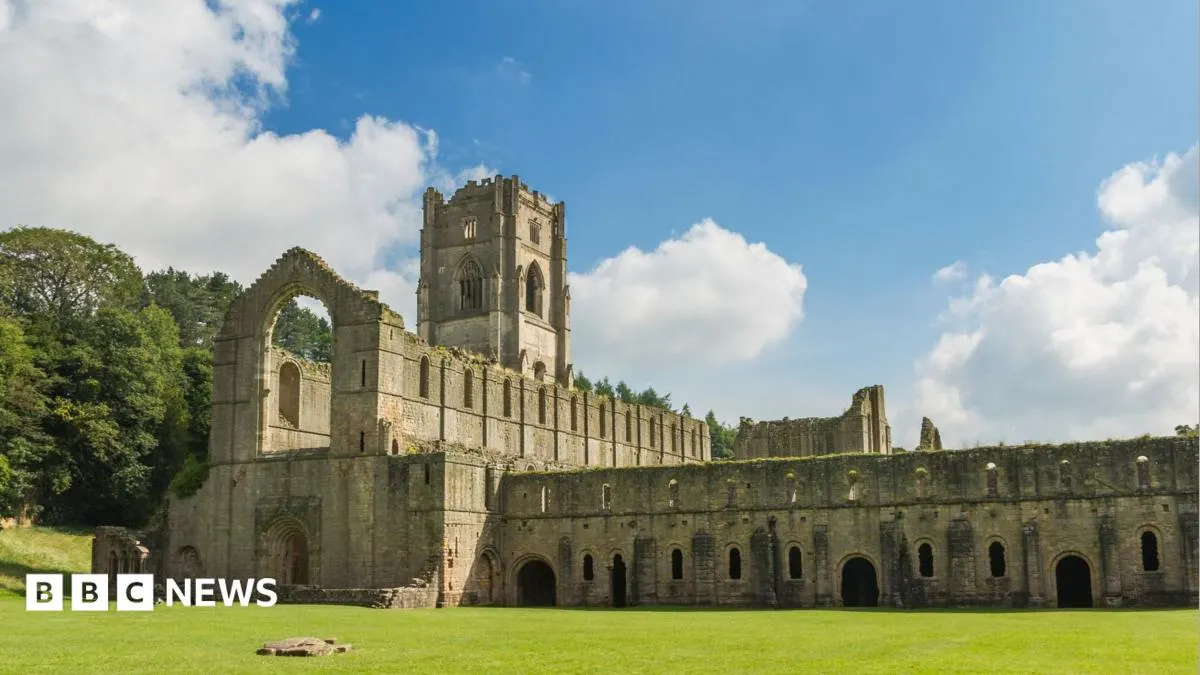
The National Trust has warned that climate change poses a tangible and growing threat to heritage sites, with a senior manager saying that protecting all of them may prove impossible. Justin Scully, manager of Fountains Abbey and Studley Royal, cited extreme heat, heavy rainfall, and wildfire risk as already affecting gardens, moorland, and historic structures across the sites the charity manages.
Extreme weather threatens heritage sites through multiple mechanisms: heavy rain overwhelms drainage systems and penetrates walls, repeated freeze-thaw cycles damage stonework, flooding undermines foundations, and heat increases subsidence and wildfire risks. The National Trust is planning for worst-case scenarios over the next 40 years, considering adaptations such as increasing drainage capacity and accepting that gardens may become "less manicured". Coastal sites face particular pressure from erosion and rising sea levels, and the trust has warned that adaptation will be "very expensive", calling for climate resilience to become a national priority led by a Cabinet-level minister.
- National Trust warns protecting all heritage sites from climate change may be impossible
- Extreme weather already damaging structures; costly adaptation needed
- Trust calls for Cabinet-level climate resilience strategy and coordination
New here? Start with this
The National Trust, a charity that manages hundreds of Britain's historic buildings, gardens, and landscapes, is warning that climate change poses a growing threat to these sites. Extreme weather including heavy rain, floods, heat, and wildfires is already causing damage across its properties.
Climate damage occurs through multiple mechanisms: heavy rainfall overwhelms drainage systems and penetrates walls, freeze-thaw cycles crack stonework, flooding undermines foundations, and heat increases both subsidence and wildfire risks. Coastal heritage sites face particular danger from rising sea levels and coastal erosion.
The Trust says adapting all its sites to withstand future climate impacts will be extremely expensive, and protecting everything may prove impossible. The organisation has called for climate resilience to become a national priority.
Both sides, in good faith
The strongest fair case each way — we don't pick a winner.
The case for
Climate change poses a documented and accelerating threat to heritage sites through extreme weather, temperature fluctuations, and sea level rise, with impacts already observable today. The scale and speed of change is unprecedented in the modern heritage preservation era, and without proactive adaptation, irreplaceable cultural assets will be permanently lost. This crisis requires coordinated government investment and high-level policy attention, as individual heritage organisations lack the resources and mandate to address systemic climate risks alone.
The case against
Heritage sites have survived environmental changes throughout history through proven maintenance and adaptive management practices. Framing this as an unprecedented crisis risks conflating climate impacts with routine wear and tear heritage professionals already manage effectively. Government resources are finite; proportionate spending on climate scenarios should be weighed against immediate heritage maintenance needs and other conservation priorities. Furthermore, pursuing major physical adaptations—new drainage systems, altering gardens—risks compromising the authentic heritage qualities these sites exist to preserve.