Health news and discussion on TalkFuse.
Truth about that cut-price weight-loss jab or ‘reta’: It’s made in rat-filled factories. It can cause cancer and is awash with germs. Now criminals are selling it on websites that look real. SPECIAL INVESTIGATION by Louise Atkinson
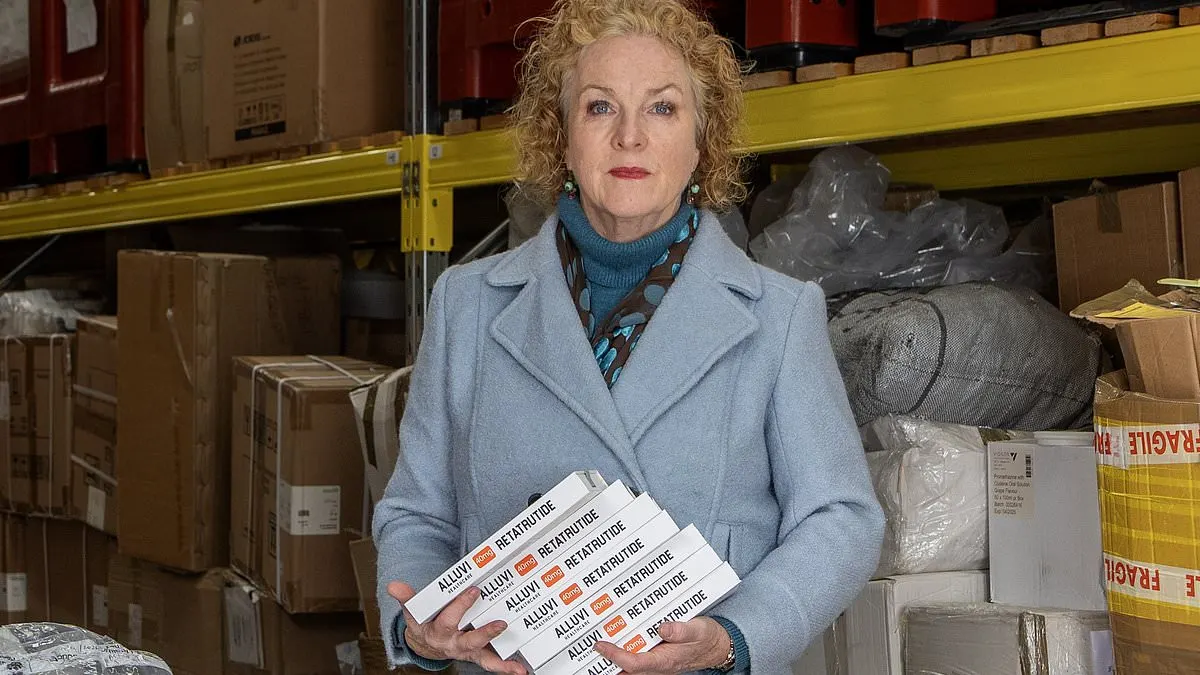
The UK’s medicines regulator, the MHRA, says it is seizing large quantities of counterfeit weight-loss drugs, especially retatrutide, known as “reta”. The drug is still in clinical trials and is not legally available outside them, so products sold online or through informal contacts cannot be verified as genuine. Regulators warn that convincing packaging and websites can mask serious health risks.
Since the start of 2025, more than 90,000 counterfeit reta doses have been seized in the UK. In a separate Birmingham operation, police and the MHRA seized more than 12,000 fake pens estimated to be worth about £2 million, plus packaging for 30,000 more. The article describes unsafe preparation conditions and reports an expert estimate that up to half a million people in Britain may be using illegal weight-loss medicines; counterfeit products may contain the wrong ingredients, contaminants or doses.
In short
- Reta remains in clinical trials and is not legally available to buy.
- UK authorities have seized more than 90,000 counterfeit doses since 2025.
- Fake injections may contain unknown ingredients or contaminants.
Explained simply
Retatrutide, often called “reta”, is an experimental medicine being studied for weight loss and related health conditions. It is still in clinical trials, so it is not legally available in the UK for general use; products sold online or through informal sellers cannot be confirmed as genuine.
The Medicines and Healthcare products Regulatory Agency (MHRA) regulates medicines in the UK and works with police to investigate counterfeit drugs. Fake weight-loss medicines may contain incorrect ingredients or doses, or be contaminated, and professional-looking websites and packaging do not prove that a product is safe.
The issue matters because people seeking weight-loss treatment may be exposed to medicines whose contents and production conditions are unknown. The scale of seizures and estimates of illegal use point to a wider challenge for regulators in protecting consumers and stopping counterfeit products from reaching them.