TSMC taps GlobalFoundries to bolster US silicon interposer production in $2B deal
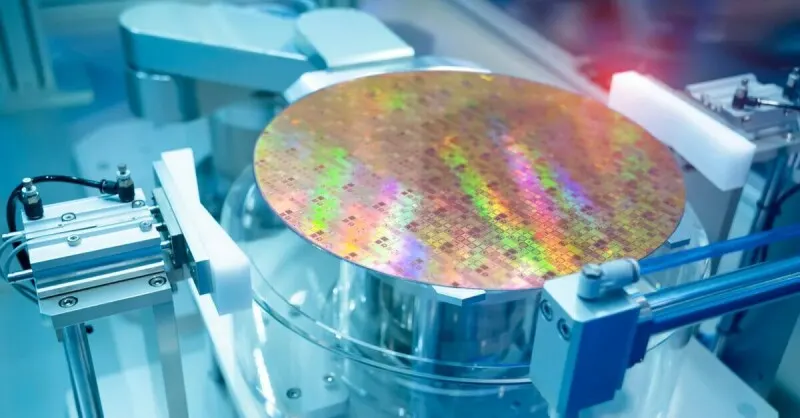
GlobalFoundries and TSMC have announced a $2 billion partnership to manufacture silicon interposers at GlobalFoundries' Malta, New York facility, addressing a critical gap in America's semiconductor supply chain. This move matters because silicon interposers are essential components for advanced chip packaging used in high-performance AI accelerators and GPUs, enabling faster, more efficient communication between chips compared to conventional packaging methods.
Under the multi-year agreement, volume production will begin no earlier than the first half of 2028, with the partnership lasting five years with an option to extend. Currently, advanced packaging remains a major bottleneck for American chip manufacturers. Even chips made in US fabs must be shipped to Taiwan for final assembly, a process that will continue until competitor facilities from TSMC and assembly partner Amkor become operational in 2028 and 2029. Intel Foundry offers an alternative advanced packaging option compatible with TSMC-manufactured chips, though it requires custom design considerations.
- GlobalFoundries and TSMC to produce advanced chip packaging in New York.
- Addresses US shortage of advanced semiconductor assembly capacity for AI chips.
- Volume production not starting until 2028 at earliest.
New here? Start with this
Semiconductor manufacturing in America faces a significant challenge: whilst the country now produces increasingly advanced computer chips domestically, it must still send them abroad to Taiwan for the final stages of assembly and packaging. This creates dependency on foreign manufacturers and leaves the US vulnerable to supply disruptions. The issue is particularly acute for cutting-edge chips used in artificial intelligence, where demand is surging.
Silicon interposers are tiny connector components that allow multiple chips to communicate with each other more efficiently than older packaging methods. They are essential for the most advanced processors, particularly those used in artificial intelligence systems, and their manufacture requires highly specialised facilities that currently exist almost exclusively outside the United States.
TSMC is the world's largest contract chip manufacturer, based in Taiwan, whilst GlobalFoundries is an American semiconductor manufacturer. Their partnership aims to address this gap by establishing interposer production at GlobalFoundries' facility in New York, reducing the need to ship advanced chips overseas for final assembly. This reflects broader efforts to develop a more self-sufficient American semiconductor sector.
Both sides, in good faith
The strongest fair case each way — we don't pick a winner.
The case for
The partnership directly addresses a critical, immediate bottleneck constraining American chip manufacturing. By establishing silicon interposer production in New York, the deal brings advanced packaging onshore and reduces current reliance on shipping completed chips to Taiwan. Leveraging TSMC's expertise to build domestic capacity represents pragmatic collaboration that will accelerate progress, create substantial US jobs, and meaningfully improve supply-chain resilience through a concrete, billion-dollar commitment.
The case against
Whilst the partnership addresses one bottleneck, it leaves deeper vulnerabilities unresolved. Production doesn't commence until 2028, extending dependence on Taiwan for years, and the initial five-year commitment provides limited assurance of long-term American capability. By keeping TSMC at the centre of the arrangement rather than establishing genuinely independent American expertise and manufacturing control, the deal may prove a temporary measure that fails to achieve the supply-chain independence America's strategic position requires.