World news and discussion on TalkFuse.
Tube monster bailed to rape and murder: Kemi Badenoch leads chorus of outrage over sex predator Simon Levy – who was repeatedly freed to carry on attacking women
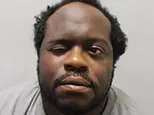
Kemi Badenoch has led sharp criticism of the Crown Prosecution Service and the Metropolitan Police after it emerged that Simon Levy, a convicted sex offender, was repeatedly released from custody only to go on to murder two women and rape another. Levy, 40, committed his second murder while on bail suspected of carrying out the first, prompting the police watchdog to place two officers under investigation for misconduct following an Old Bailey trial that exposed a string of missed opportunities to stop him. The case has fuelled wider concern about failings in the criminal justice system's handling of dangerous offenders.
Levy, who is blind in one eye, has now been convicted of two murders, two rapes, a near-fatal suffocation and 13 sexual assaults, with officers fearing he may have targeted many more victims while free on bail between 2018 and 2025. He killed Carmenza Valencia-Trujillo in south London in March 2024 after the CPS failed to oppose bail and did not present the court with details of his previous convictions, then killed Sheryl Wilkins in Tottenham in August 2025 while on bail for that first murder. He also missed three crown court hearings without a warrant being issued, and was freed by British Transport Police in November 2024 amid delays arranging an identification parade before going on to commit his first rape in January 2025. Writing in the Daily Mail, Badenoch said "a broken system" had allowed Levy to keep offending.
In short
- Simon Levy killed two women and raped another after repeated bail failures.
- CPS and Met Police face criticism; two officers probed for misconduct.
- Kemi Badenoch says a "broken system" enabled Levy's repeated offending.
Explained simply
The Crown Prosecution Service (CPS) decides whether to bring criminal cases and can ask a court to keep a suspect in custody while a case proceeds. Courts decide whether to grant bail, taking account of the information put before them and the risk a suspect may pose. Police investigate offences and are responsible for enforcing bail conditions and arrest warrants.
Simon Levy has been convicted of serious violent and sexual offences, including two murders. The case has raised questions about how information about his past convictions was shared, how decisions about bail were made, and why missed court hearings did not lead to his arrest. Police watchdog investigations can examine whether officers may have breached professional standards.
The case matters because bail decisions affect both a suspect’s liberty and public safety. It has prompted wider scrutiny of how police, prosecutors and courts handle people suspected of serious offences, and how they respond when procedures fail.