Culture news and discussion on TalkFuse.
Tube strikes to cripple London in a matter of HOURS: Travel chaos imminent after last-ditch crunch talks between RMT and TfL fail
Developing story first seen 8 hours ago
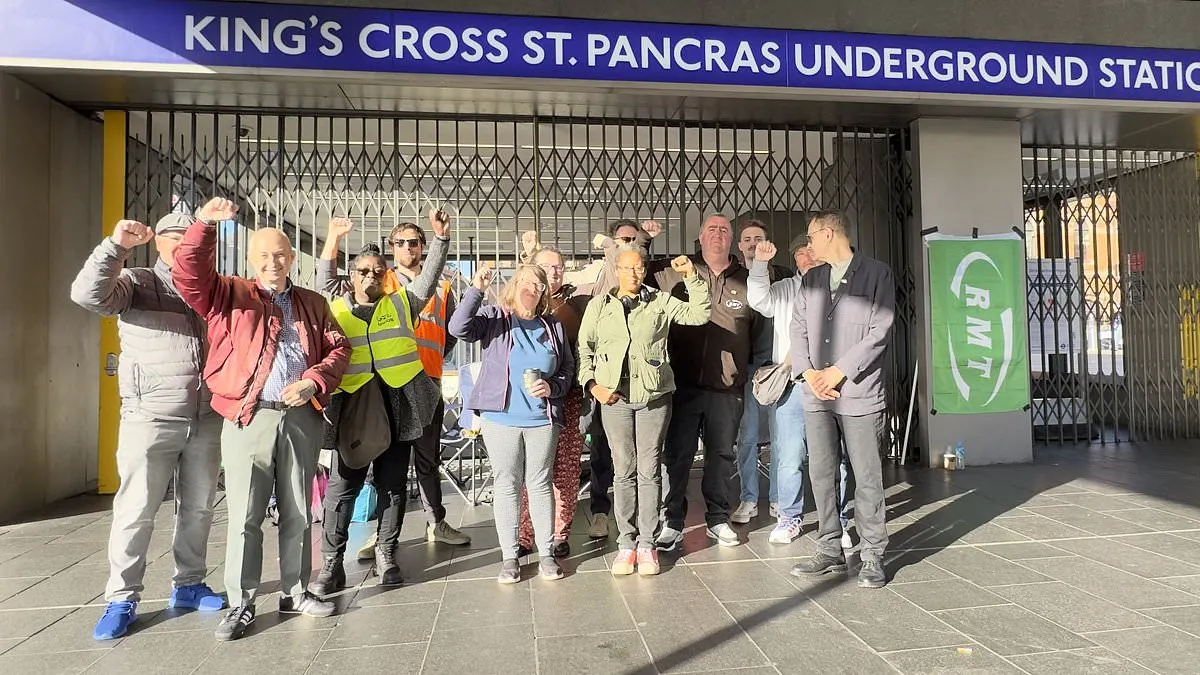
The latest update is that talks at Acas have collapsed, leaving an RMT strike set to disrupt London Underground services within hours. Commuters have been urged to plan ahead, as disruption is expected before, during and after the walkout.
From midday, most services are expected to run with disruption across all lines, but the Circle and Piccadilly lines are expected to have no service all day, and the Waterloo & City line to stop after midday. TfL says its revised four-day-week proposal is voluntary and lets drivers retain a five-day week at their current depot; Aslef supports it and its members are working normally. The RMT says the plans threaten protections through longer duties, more time driving and changes to shifts, transfers and leave. Further 24-hour strikes are planned on dates in December, January and February.
- Sources
- 2
- Outlets
- 2
- Left · Centre · Right
- 0 · 0 · 2
In short
- RMT talks with TfL have failed, and a Tube strike is imminent.
- Most lines are expected to run from midday with disruption.
- Further strikes are planned through February.
How this story developed
- 2 hours ago London Underground services are expected to be disrupted after last-ditch talks between the RMT and Transport for London (TfL) failed to resolve a dispute over a proposed four-day working week for train drivers.
- 2 hours ago The latest update is that talks at Acas have collapsed, leaving an RMT strike set to disrupt London Underground services within hours. Commuters have been urged to plan ahead, as disruption is expected before, during and after the walkout.
Steelman: both sides, in good faith
The strongest fair case each way — we don't pick a winner.
The case for
TfL’s proposal could offer drivers a more flexible working pattern while preserving the option of a five-day week at the same depot. Making the four-day arrangement voluntary, as TfL says it has done, may allow those who want it to benefit without requiring all drivers to change, and avoiding strikes would protect passengers and the wider city from disruption.
The case against
The RMT can reasonably argue that a four-day week may still involve longer duties, more time driving and changes to shifts or leave, even if participation is voluntary. It may therefore see the proposal as carrying costs for drivers’ working conditions that have not been adequately resolved, and striking as a way to press for safeguards before changes are introduced.
Explained simply
The RMT is a trade union representing many London Underground workers, including train drivers. Transport for London, or TfL, runs the Underground and other transport services across the capital.
The dispute centres on a TfL proposal to let drivers work four days a week, while keeping a five-day option. The RMT has raised concerns about how the change could affect drivers’ shifts, working hours and leave; another union, Aslef, supports the proposal.
The disagreement matters because London relies on the Underground for everyday journeys, and changes to services can affect commuters, businesses and visitors. The two sides’ differing views reflect questions about how any new working pattern would operate in practice.
Coverage · 2 sources
Bias meters
From 2 rated sources.