Culture news and discussion on TalkFuse.
Tube strikes WILL go ahead with travel chaos set to hit London after last-ditch crunch talks between RMT and TfL fail – as rival criticises militant union for fighting against four-day working week
Developing story first seen 6 hours ago
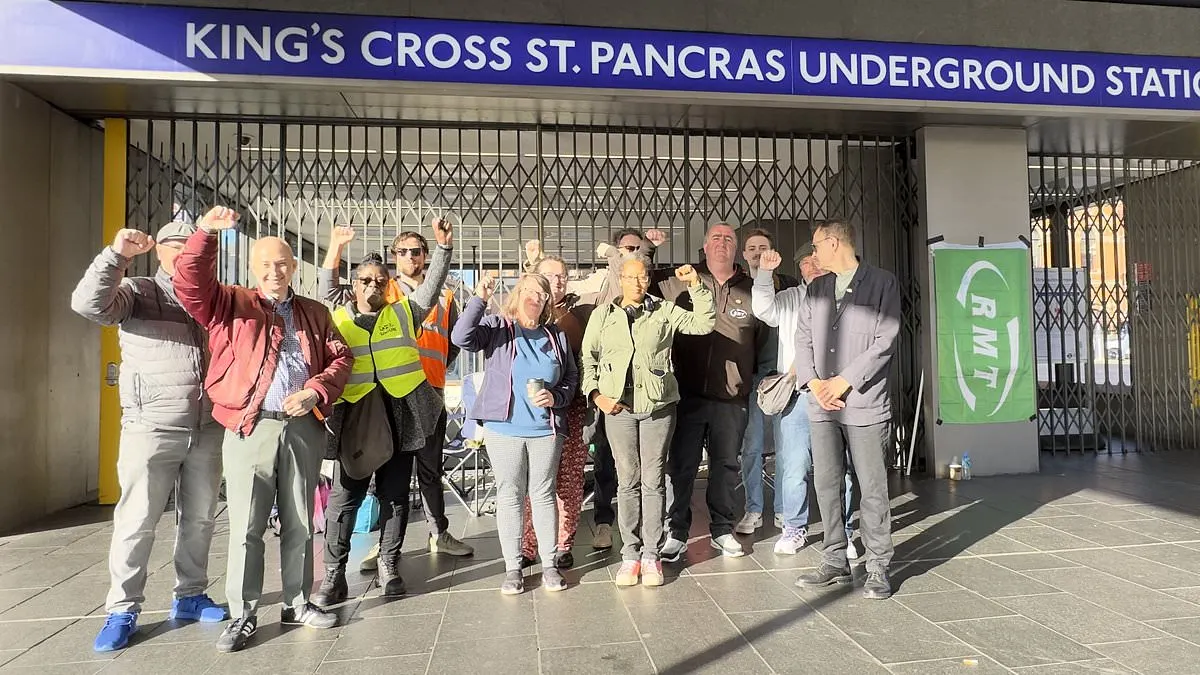
The RMT says London Underground drivers’ 24-hour strike will go ahead from noon on Thursday after last-ditch talks with Transport for London (TfL) failed to resolve their dispute over a proposed four-day working week. The action is expected to disrupt all Tube lines, with further strikes planned through February.
TfL says it has revised its proposal to guarantee drivers can keep a five-day week at the same depot, while arguing the new patterns could improve service reliability. The RMT says the plans threaten existing protections and could mean longer duties, less predictable shifts and changes to transfer and annual leave rights; rival union Aslef backs TfL’s offer. Services are expected to start reducing around 10am on Thursday, with the Circle and Piccadilly lines closed all day and the Waterloo & City line stopping from midday; disruption is also expected on Friday.
- Sources
- 2
- Outlets
- 2
- Left · Centre · Right
- 0 · 0 · 2
In short
- RMT drivers’ strike will begin at noon on Thursday.
- Talks with TfL failed to settle the working week dispute.
- More strikes are planned through February.
How this story developed
- 3 hours ago The RMT says London Underground drivers’ 24-hour strike will go ahead from noon on Thursday after last-ditch talks with Transport for London (TfL) failed to resolve their dispute over a proposed four-day working week.
- 5 hours ago A 24-hour strike by London Underground drivers will go ahead from noon on Thursday after talks between the RMT and Transport for London failed to settle a dispute over proposed working patterns.
Full account
A 24-hour strike by London Underground drivers is due to begin at noon on Thursday after talks between Transport for London (TfL) and the Rail, Maritime and Transport union (RMT) failed to settle a dispute over a proposed four-day working pattern. The union says its members will walk out, with further stoppages scheduled for 17 and 19 December, 4 and 6 January, and 17, 23 and 25 February.
TfL has revised its proposal for a voluntary four-day week. It says drivers who prefer to retain a five-day pattern would be able to do so and remain at their current depot. The RMT argues that the scheme would still weaken protections for drivers whichever pattern they chose, citing longer driving time and duties, shifts starting earlier or finishing later, short-notice changes, and altered transfer and annual-leave arrangements. The union says talks at Acas ended without movement on demands it has raised since March 2025.
The dispute has also exposed a difference between the two rail unions. Aslef supports TfL’s proposal and says management has agreed that drivers choosing a five-day week will face no disadvantage; its London Underground organiser said the RMT’s action was surprising. The RMT’s general secretary, Eddie Dempsey, maintains that the arrangement is not genuinely voluntary if drivers must surrender protections or risk being moved from their depots. The accounts therefore present the disagreement both as a dispute over working conditions and as a disagreement over whether drivers can freely choose a shorter week.
TfL expects services to run normally until about 10am on Thursday, then reduce. From midday, trains are expected on most lines, but disruption is forecast across the network; no service is expected on the Circle or Piccadilly lines, and the Waterloo & City line is expected to stop from midday. On Friday, services are expected to start later than usual, with disruption continuing across the lines before easing around 6pm. The planned dates also fall during the Christmas trading period. City AM highlights the risk to hospitality businesses, including Christmas parties and shopping activity, while noting that some people may work from home or use other transport.
Where outlets differ
From the full account, which is AI-written from the sources:
The first report gives more detail on TfL’s revised offer, including the guarantee that five-day drivers can remain at their depot, and sets out the expected service pattern on Thursday and Friday. The second describes the scheme as optional but frames the dispute around the RMT’s opposition to it, and adds the union’s explanation that drivers could face depot displacement.
The first report quotes Aslef’s London Underground organiser Finn Brennan criticising the strike as an attempt to prevent a shorter week. The second includes comments from RMT general secretary Eddie Dempsey and focuses on the union’s claim that the scheme is not voluntary.
The second report gives greater attention to the potential effect on hospitality and Christmas trading, drawing on a BusinessLDN comment. The first focuses more on the terms of the proposal and travel disruption. The supplied reports do not include URLs.
Steelman: both sides, in good faith
The strongest fair case each way — we don't pick a winner.
The case for
TfL’s proposal offers drivers a choice of four or five working days while allowing them to remain at their depot, and the agency argues that the pattern could reduce fatigue and improve service reliability. Supporters may see it as a way to modernise schedules while preserving flexibility for staff and making the Tube more dependable for passengers.
The case against
The RMT argues that the proposal could weaken established protections and bring longer, less predictable shifts, making work less manageable for drivers despite the option of a four-day week. From this perspective, retaining meaningful safeguards over working patterns matters for staff welfare and fair negotiations, even when changes are presented as voluntary or intended to improve services.
Explained simply
Transport for London (TfL) runs the Underground, while the RMT and Aslef are unions representing Tube workers. The dispute centres on how drivers’ working hours would be arranged, including a proposal that offers a choice of four or five working days a week.
TfL says the proposed patterns could reduce fatigue and improve reliability. The RMT argues they could mean longer, less predictable shifts and weaken existing protections; Aslef supports TfL’s proposal. The disagreement matters because Tube services carry large numbers of Londoners and visitors, and changes to drivers’ working arrangements could affect both staff and journeys.
Coverage · 2 sources
Bias meters
From 2 rated sources.