Tupac Shakur murder trial: Las Vegas court to hear closing arguments in case
Developed over time first seen 2 months ago
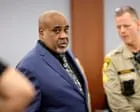
A Las Vegas jury has begun deliberating in the murder trial of Duane "Keffe D" Davis, 63, the former South Side Compton Crips leader accused of orchestrating the 1996 killing of rapper Tupac Shakur, after both sides delivered closing arguments. Prosecutors Marc DiGiacomo and Binu Palal told jurors the case was a "slam dunk", arguing that Davis's own repeated accounts, given in media appearances and a 2019 memoir, amounted to a "fully corroborated confession" and that he should be held accountable rather than allowed to keep "profiting on a murder". Davis, who has pleaded not guilty, is accused of directing a group of men to shoot Shakur in revenge for the beating of his nephew, though prosecutors do not allege he pulled the trigger himself.
Over the weeks-long trial, prosecutors called 25 witnesses, some compelled to testify, and played roughly eight hours of recordings from four separate occasions on which Davis described the shooting in his own words, along with material from his memoir. Defence lawyer Michael Sanft countered by branding the police investigation "dirty" and dismissing the book as a fictionalised, partly ghostwritten account that could not be treated as a factual confession, pointing to footage of Davis appearing confused about details of the night. Shakur was killed after a white Cadillac pulled alongside his car near the Las Vegas Strip following a confrontation involving his entourage and Davis's nephew, Orlando "Baby Lane" Anderson, who died in an unrelated shooting two years later; the jury's verdict was pending as deliberations began.
- Jury deliberates in Tupac Shakur murder trial after closing arguments
- Duane "Keffe D" Davis accused of ordering 1996 killing
- Prosecution calls his memoir and taped admissions a "confession"
New here? Start with this
Tupac Shakur was one of the most influential rappers of the 1990s before he was shot in a drive-by attack in Las Vegas on 7 September 1996, dying six days later at the age of 25. His killing was never solved for decades and became one of the most talked-about unsolved cases in American music, fuelling years of speculation and rumour about who was responsible and why.
The man now on trial, Duane "Keffe D" Davis, was a leader of a Los Angeles street gang. Prosecutors say the shooting followed a violent altercation earlier that night at a Las Vegas hotel, in which members of Shakur's group assaulted Davis's nephew, and that Davis helped organise a retaliatory attack in response. Davis, now 63, denies murder; he has not been accused of firing the shots himself.
The case only came to trial because Davis spoke publicly about his own alleged involvement in interviews and in a memoir published in 2019, years after the shooting and long after other men once linked to the case had died. That decision to go public is central to why prosecutors believe they can bring a murder charge now, three decades after Shakur's death, and the case has drawn renewed attention to a killing that has never been fully explained in court until now.
Both sides, in good faith
The strongest fair case each way — we don't pick a winner.
The case for
Prosecutors argue that Davis's repeated accounts of orchestrating the shooting across media appearances and his memoir constitute a comprehensive, corroborated confession. With 25 witnesses and eight hours of Davis's own recorded statements detailing the shooting, they maintain the evidence establishes guilt beyond reasonable doubt and that Davis should be held accountable rather than allowed to profit from the crime.
The case against
The defence contends that statements in a partly fictionalised, ghostwritten memoir and informal media appearances cannot reliably establish guilt beyond reasonable doubt. Evidence of Davis appearing confused about details, combined with concerns about the police investigation's integrity, creates sufficient reasonable doubt to prevent conviction, and the legal burden remains on the prosecution to prove their case conclusively.