Science news and discussion on TalkFuse.
Turkey: an emerging recycling power or Europe’s dump?
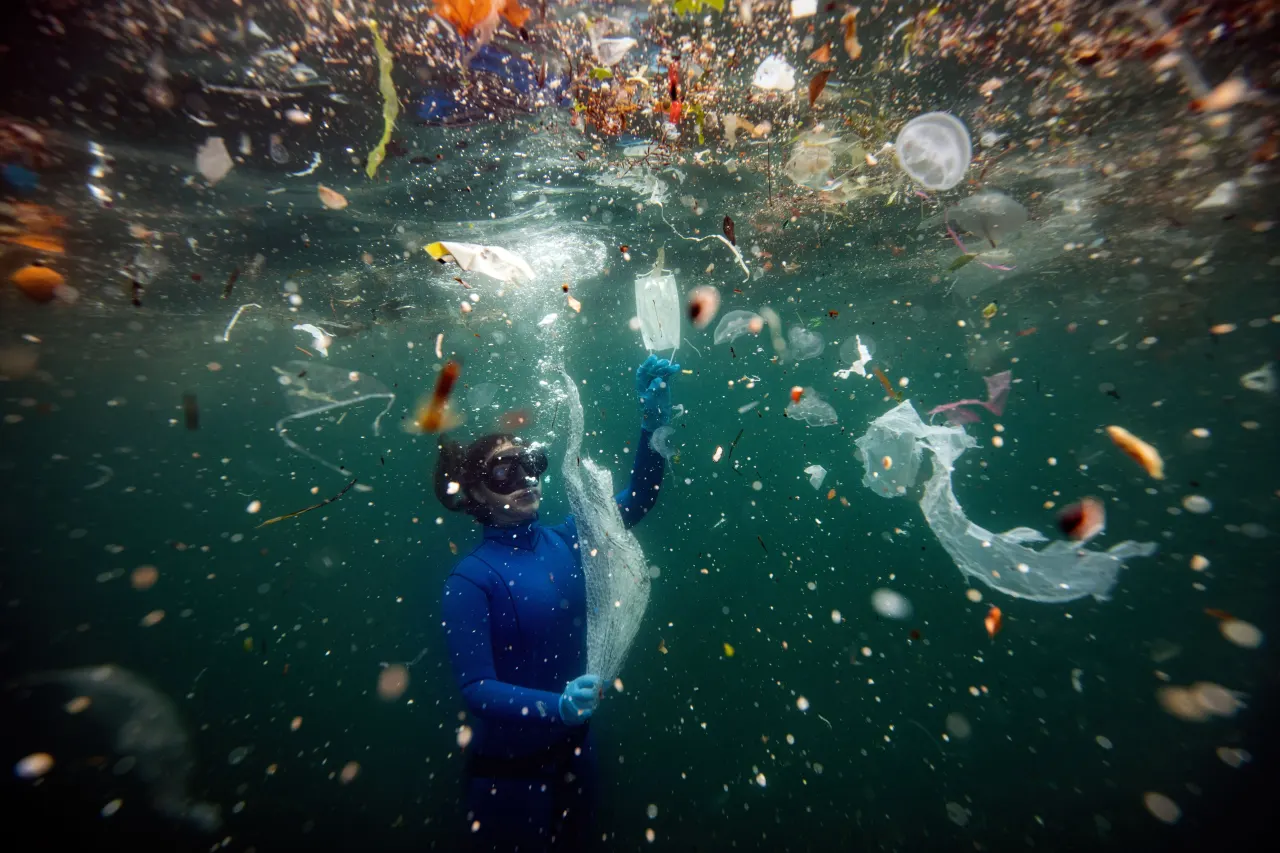
Turkey is presenting waste reduction and recycling as priorities for the COP31 climate summit, while also receiving more waste exports from the European Union than any other country. The tension raises questions about whether imports support a circular economy or leave Turkey reliant on discarded materials from abroad.
The article says Turkey imported 12.8 million tonnes of EU waste in 2025, around 40% of the EU’s waste exports shipped outside Europe; scrap metal made up 10 million tonnes, supplying its steel industry. Turkey says recycling has risen from 13% to 35% and that 90 million tonnes were recycled over eight years, but the European Environment Agency put its rate at 12% in 2021 using stricter criteria. Environmental advocates recognise benefits such as recycled steel, but warn that cheap imports may weaken incentives to build domestic waste collection and processing systems.
In short
- Turkey is the EU’s main destination for exported waste.
- It imported 12.8 million tonnes from the EU in 2025.
- Advocates question whether imports strengthen domestic recycling systems.
Steelman: both sides, in good faith
The strongest fair case each way — we don't pick a winner.
The case for
Turkey’s waste imports can supply valuable materials for industries such as steelmaking, where recycled scrap can reduce reliance on virgin resources. The government says recycling has expanded substantially, and advocates of trade may argue that processing material where capacity exists supports a more circular economy, provided it is handled responsibly.
The case against
The scale of imports may make Turkey a destination for Europe’s discarded materials while leaving its own waste systems underdeveloped. Environmental advocates argue that cheap foreign waste can weaken incentives to improve domestic collection and processing, and the gap between Turkey’s reported recycling rate and the stricter European Environment Agency measure raises questions about how much progress the figures show.
Explained simply
COP31 is the United Nations’ annual climate summit, where countries discuss how to address climate change. Turkey is putting waste reduction and recycling on the agenda as it prepares to host the meeting, while importing large amounts of discarded material from the European Union.
Much of that material is scrap metal used by Turkey’s steel industry. Turkey says recycling has grown, though its figures differ from the European Environment Agency’s estimate, which uses stricter criteria. The debate is whether imported waste helps make useful materials again or risks slowing the development of systems to collect and process more waste within Turkey.
Climate Europe Geopolitics Politics Science World