World news and discussion on TalkFuse.
Turkey complains Russian gas too expensive in possible discount bid
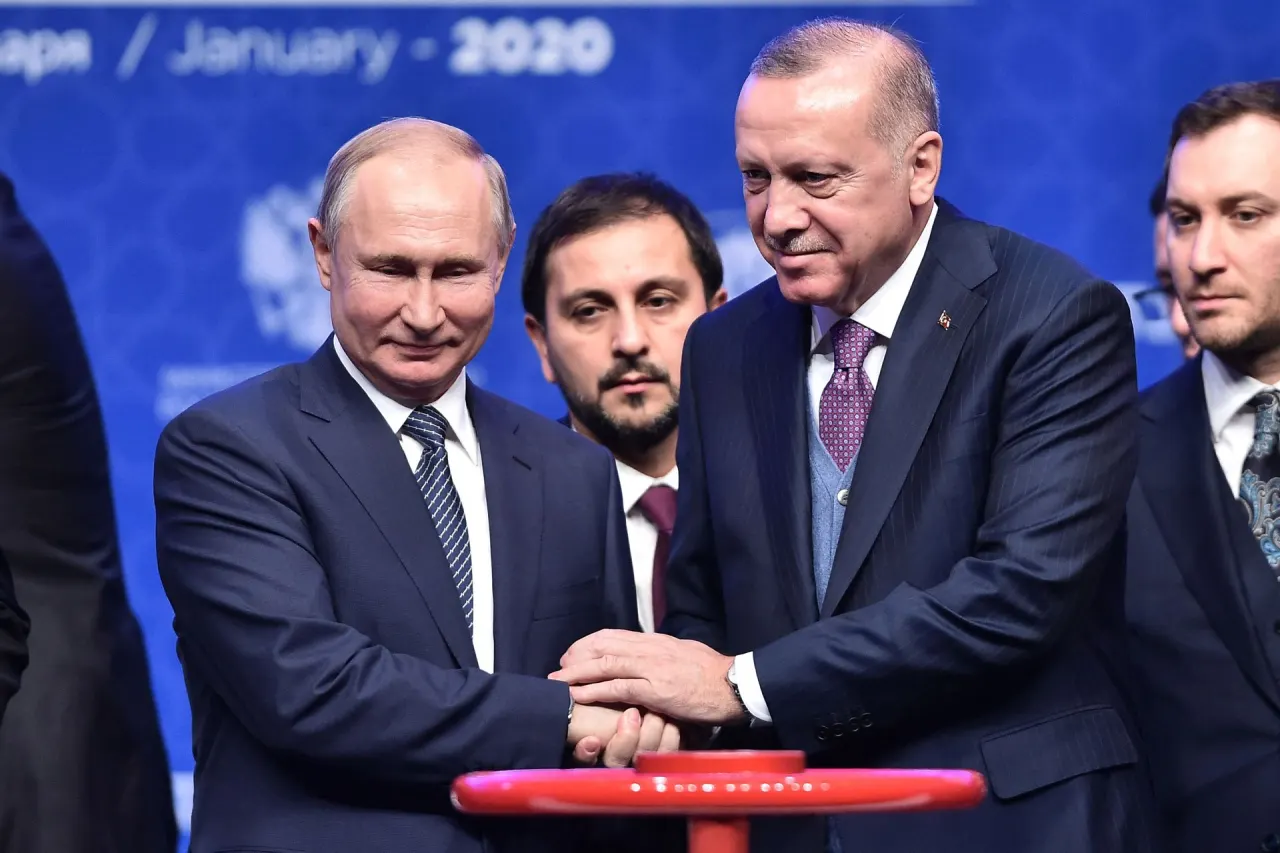
Turkey plans to reduce its reliance on Russian gas because it says the price is too high, rather than for political reasons, Energy Minister Alparslan Bayraktar said. The shift towards US gas could also strengthen Ankara’s hand in seeking a discount from Moscow, while leaving it free to buy from both countries.
The price Turkey pays for Russian gas is not public, so Bayraktar’s claim cannot be verified. Russia may face added pressure to offer lower prices when EU rules banning its pipeline gas and liquefied natural gas imports take effect in 2027. Turkey remains heavily tied to Russian energy: gas made up over a quarter of its energy supply in 2024, Russia supplied over half its oil imports that year and has been its largest coal supplier since 2022.
In short
- Turkey says Russian gas costs too much.
- Ankara may use US gas purchases to seek a discount.
- Turkey remains dependent on Russia for several energy sources.
Steelman: both sides, in good faith
The strongest fair case each way — we don't pick a winner.
The case for
Turkey can reasonably seek cheaper energy and reduce exposure to a supplier that provides a large share of its gas, oil and coal. Expanding US gas options could improve supply resilience and give Ankara more bargaining power, while buying from both countries preserves flexibility and makes clear that the shift is driven by price rather than political alignment.
The case against
Russian gas may still be a practical and competitive part of Turkey’s energy mix, and replacing it could bring costs or supply risks if alternatives are less favourable. Since the price Turkey pays is not public, the claim that Russian gas is too expensive cannot be independently checked; using a shift towards US gas mainly to seek a discount could also leave Turkey reliant on Russian supplies while adding uncertainty to energy ties.
Explained simply
Turkey imports much of the energy it uses, including natural gas, oil and coal. Russia has been a major supplier: in 2024, Russian gas accounted for more than half of Turkey’s gas imports, while gas overall made up over a quarter of the country’s energy supply.
Turkey can also buy liquefied natural gas, which is cooled for transport by ship, from suppliers such as the United States. The price it pays Russia is not public, so comparisons are difficult. Buying from more sources can give Turkey greater choice when negotiating supply and prices.
The European Union plans to ban imports of Russian pipeline gas and liquefied natural gas from 2027. That could affect Russia’s options for selling gas, while Turkey’s continued energy links with Russia mean any shift in purchases may have economic as well as diplomatic significance.
Europe Government Politics World