Business news and discussion on TalkFuse.
Turkey’s deadly factory blast: ‘Investing in safety costs more than letting people die’
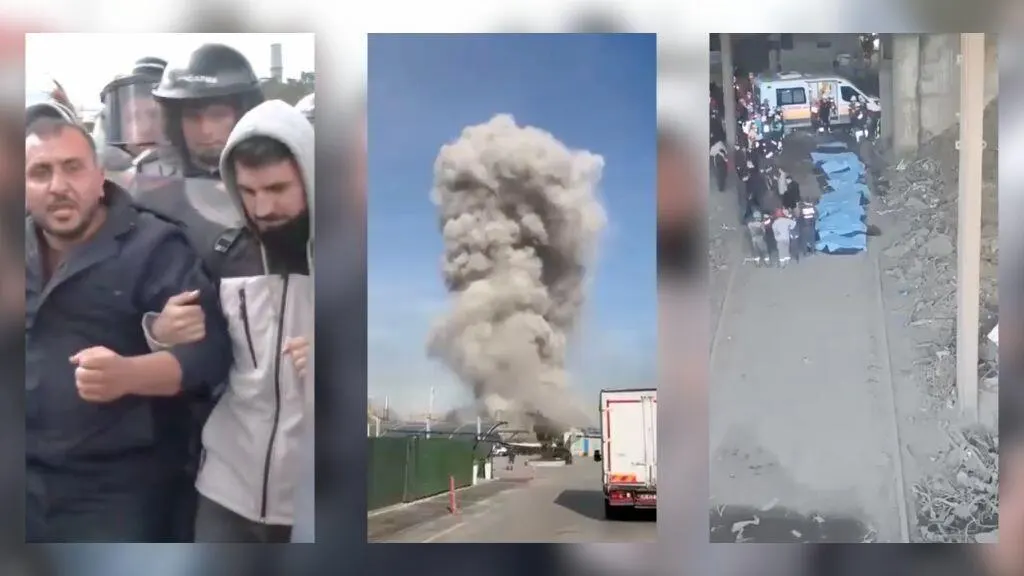
An explosion during a boiler replacement operation at the Habas steel factory in Aliaga, Turkey, killed 19 people, with one person missing and presumed dead. The disaster has renewed scrutiny of workplace safety and accountability, particularly as workers and campaigners say serious accidents have occurred at the same factory in recent weeks.
A crane collapsed inside a large industrial furnace, and a public prosecutor ordered an investigation. A workplace-safety observatory had recorded at least 2,014 work-related deaths in Turkey by 13 November 2026; the ILO reported 11.5 deaths per 100,000 workers in 2024, second only to South Africa. Authorities imposed a publication ban on coverage of the blast, while two union representatives were arrested after calling for improved safety and released later that day.
In short
- A factory blast in Aliaga killed 19 people.
- One person remains missing and is presumed dead.
- The disaster has intensified concerns over workplace safety and scrutiny.
Steelman: both sides, in good faith
The strongest fair case each way — we don't pick a winner.
The case for
Workers and campaigners can argue that the deaths and reports of recent accidents demand stronger inspections, transparent investigations and accountability for employers and officials. They see safety spending and workers’ freedom to raise concerns as essential duties, especially where preventable hazards can cost lives.
The case against
A good-faith case for caution is that the cause and responsibility for the blast remain under investigation, so conclusions about negligence or cost-cutting should await evidence. Authorities may argue that temporary limits on reporting protect the investigation or public order, while employers may contend that safety rules must be applied on the basis of verified findings rather than assumptions.
Business Companies Government Politics World