Politics news and discussion on TalkFuse.
Turns Out Blue State’s ‘Glock Ban’ Covers A Lot More Than Just Glock
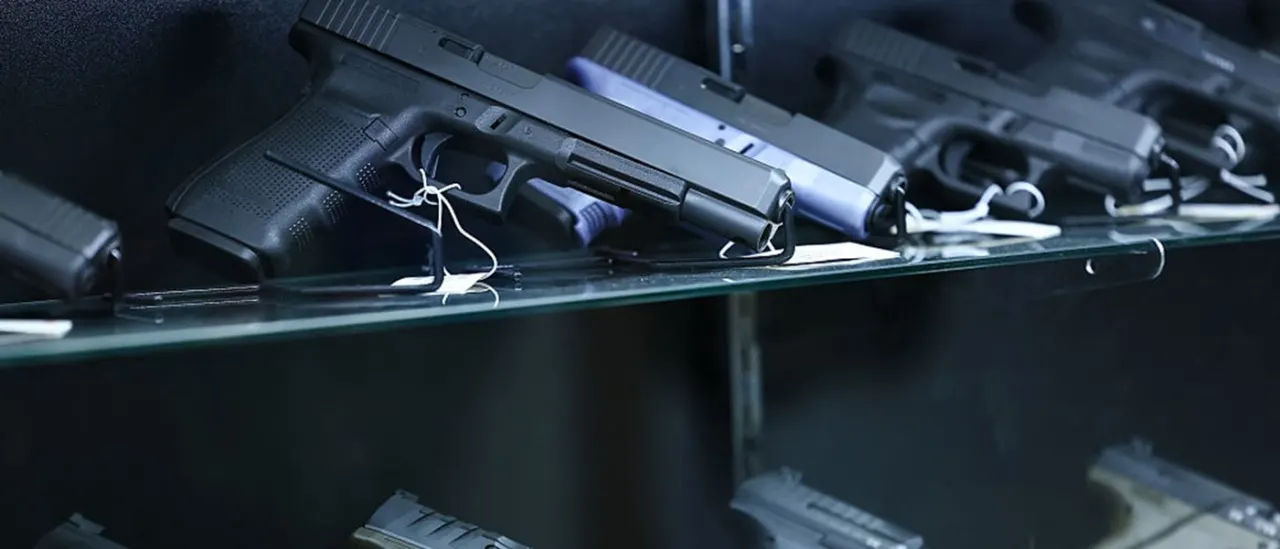
New York’s state police have published a list showing that the state’s ban on certain “machine-gun convertible” pistols reaches beyond Glock models. The disclosure matters because it identifies firearms from many manufacturers that could fall under a law aimed at pistols that can be altered with a conversion device.
The three-page list, dated 30 October, names models from more than two dozen manufacturers, including Ruger, Palmetto State Armory and Polymer 80. The police say the law generally covers semiautomatic pistols with a cruciform trigger bar that can be converted using common tools, while excluding hammer-fired pistols and some striker-fired models; the list may be updated, and absence from it is not a ruling that a pistol is exempt. The article also notes that a similar Connecticut ban was struck down by a federal judge, and cites research reporting 40 murders across 17 attacks involving illegally modified Glocks, while acknowledging other cases may exist.
In short
- New York’s pistol ban covers more than Glock models.
- Police list firearms from over two dozen manufacturers.
- The state says its list may be updated.
Steelman: both sides, in good faith
The strongest fair case each way — we don't pick a winner.
The case for
Supporters can argue that pistols readily altered to fire automatically pose a serious public-safety risk, and that a law covering the relevant design features should apply across manufacturers rather than single out Glock. A published list may help owners and sellers understand the rule, while leaving room to update it as models change.
The case against
Critics can argue that a broad, evolving list based on a pistol’s capacity to be modified may leave lawful owners uncertain about which firearms are covered, especially when omission does not establish exemption. They may also question whether restricting ordinary semiautomatic pistols is a proportionate or effective response to crimes involving illegal conversion devices, and point to the successful legal challenge to a similar Connecticut law.