The Gilded Age returns with glossy escapism and old-money intrigue
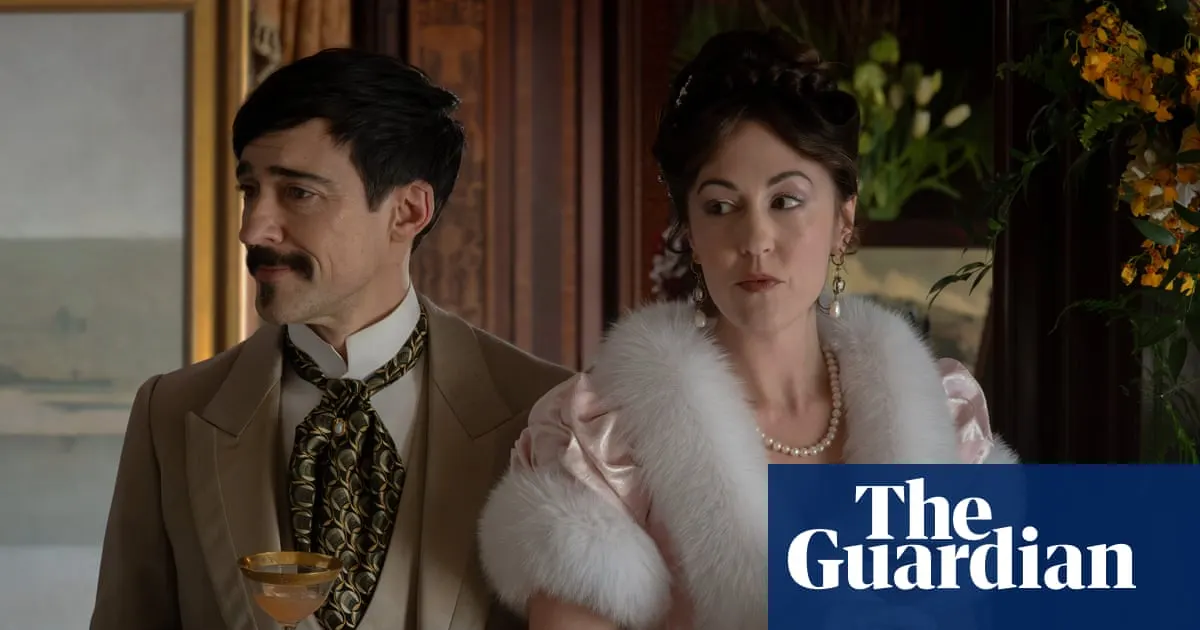
The Gilded Age returns for its third season with the lavish period drama leaning into its appeal as glossy escapism. Its opening episode follows Agnes as she tries to protect her place in society, while the threat posed by newly wealthy monopolists gives the old-money plot a contemporary edge.
The article also previews the evening’s other programmes, including a documentary about Ugandan Asians forced to leave in 1972, a legal drama in which David Harewood’s character resumes a case after being diagnosed with angina, and films following young stroke survivors. It highlights a Dispatches documentary about Afghans trying to rescue relatives under Taliban rule, alongside a property series and the Paris Masters tennis.
In short
- The Gilded Age returns with society manoeuvring and threats to old money.
- The TV guide also features documentaries on displacement, Afghanistan and stroke recovery.
- David Harewood’s duty solicitor returns to work after a hospital stay.
Steelman: both sides, in good faith
The strongest fair case each way — we don't pick a winner.
The case for
The series’ glossy style and social intrigue can offer enjoyable escapism, while its old-money families and newly wealthy monopolists provide a way to explore how wealth shapes status and power. The contrast between inherited privilege and new fortunes may also give the drama a contemporary edge without requiring it to be a direct account of present-day politics.
The case against
The lavish presentation may make inequality and social exclusion feel glamorous, turning serious questions about concentrated wealth into attractive period entertainment. Its focus on elite families and their status struggles could also narrow the story’s perspective, leaving the experiences of people outside those circles less visible.
Explained simply
The Gilded Age is a period drama set in New York during the late 19th century, when rapid industrial growth created great fortunes and widened social divisions. Established families with inherited wealth guarded their influence, while people who had made money more recently sought acceptance and power.
Agnes is part of the established elite, and her efforts to hold on to her position sit alongside the rise of wealthy monopolists, whose businesses dominated parts of the economy. The series uses this clash between old and new money to explore who gets status and influence, themes that can also resonate with modern debates about wealth and corporate power.
Business Culture Entertainment Markets TV
Read the full article at the source →
Originally published by The Guardian as “TV tonight: The Gilded Age returns in all its glossy Julian Fellowes’ glory”.