Culture news and discussion on TalkFuse.
Two beavers released into the wild on Exmoor appear to have coupled up and may start their own family
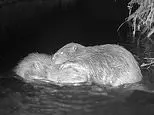
Two beavers released into the wild on the National Trust's Holnicote Estate in Exmoor earlier this year have paired up, raising hopes they will start a family and help re-establish a breeding population in the area. Trail-camera footage captured the pair grooming each other and spending time together, behaviour conservationists say shows they are settling into the landscape and forming the social bonds typical of beaver mates, who usually pair for life. The development is seen as an encouraging sign for the wider rewilding effort, which aims to use beavers' natural dam-building to restore rivers and wetlands.
The beavers were released in February as part of the second wild release on National Trust land and the third in England since last year, with National Trust ranger Mathieu Burtschell describing the pairing as "really exciting" evidence that Holnicote offers suitable habitat, food and space. The estate spans 5,000 hectares in Somerset, and the animals are being monitored via trail cameras, since they are mostly nocturnal, to track how they move through the catchment and shape the surrounding habitat. Beavers, the world's second-largest rodent, typically live in small family groups, and their dams and canals can create new wildlife habitats while helping retain water in the landscape.
In short
- Two Exmoor beavers released in February have formed a breeding pair
- Trail cameras show them grooming and bonding at Holnicote Estate
- Pairing raises hopes of a new family group supporting rewilding efforts
Explained simply
Beavers are large, plant-eating rodents that live in family groups, usually formed by a pair and their young. They build dams and canals, which can slow water and create wetlands used by other wildlife.
Beavers once lived widely in Britain but were hunted to extinction here centuries ago. Conservation projects are now bringing them back to selected areas, including the National Trust’s Holnicote Estate on Exmoor, in Somerset.
At Holnicote, conservationists are watching how the animals use the landscape and affect its rivers and wetlands. A lasting breeding population could help restore these habitats, while monitoring helps show how the reintroduction is progressing.
Art Culture Environment Science World