Two iconic American baseball equipment companies are now owned by a Chinese company associated with the CCP
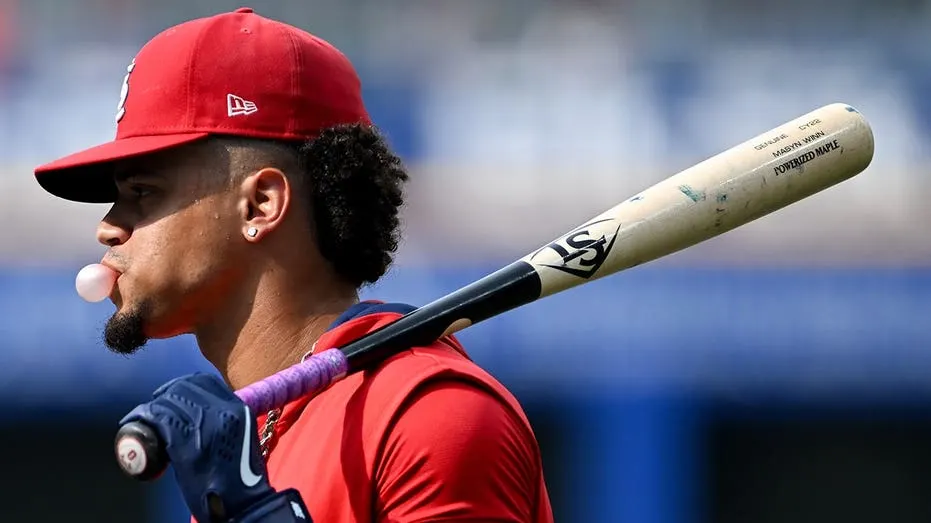
Anta Sports, a Chinese company, owns Wilson and Louisville Slugger, two long-established brands that make baseball gloves, bats and other equipment. The article argues that the change in ownership matters because baseball is closely associated with American culture, and raises concerns about foreign control of prominent sports brands.
Louisville Slugger was founded in the 1880s and remained with the Hillerich family until it was sold to Wilson in 2015. Wilson, founded before the First World War, had been owned by Finnish company Amer Sports since 1989; Anta bought Amer in 2018, bringing both brands under its control. The article describes Anta as the world’s third-largest sportswear company, behind Nike and Adidas, and says it has ties to the Chinese Communist Party.
- Anta Sports owns Wilson and Louisville Slugger.
- Louisville Slugger was sold to Wilson in 2015.
- Anta acquired Wilson’s parent company in 2018.
New here? Start with this
Wilson and Louisville Slugger are long-established American sports equipment brands. Louisville Slugger began making bats in the 1880s, while Wilson was founded before the First World War; both make equipment such as baseball gloves and bats.
Louisville Slugger remained with the Hillerich family until Wilson bought it in 2015. Wilson had been owned by Finland’s Amer Sports since 1989, and Anta Sports bought Amer in 2018, bringing both brands under Chinese ownership.
The ownership change has drawn attention because baseball is closely associated with American culture and the brands have a long history in the sport. Anta is a major global sportswear company, and the reported links between the company and China’s Communist Party have prompted questions about foreign ownership of well-known sports brands.
Both sides, in good faith
The strongest fair case each way — we don't pick a winner.
The case for
Because baseball equipment brands are closely tied to American sporting heritage, foreign ownership can raise reasonable questions about who controls their direction, identity and access to a culturally prominent market. Anta’s reported links to the Chinese Communist Party may also lead people to scrutinise whether commercial decisions could intersect with the Chinese state’s interests.
The case against
Ownership by a Chinese company does not by itself show that the brands’ products, decisions or cultural meaning have changed, or that the Chinese state directs their business. International ownership is common, and supporters may see Anta’s acquisition as ordinary investment that can provide capital and reach while allowing Wilson and Louisville Slugger to keep serving players and customers.