‘Two-tier’ university claims as angry father hits out after star pupil is locked out of places
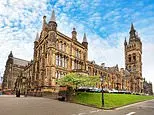
Scottish universities have been accused of running a "two-tier system" that favours fee-paying students from the rest of the UK and abroad over Scottish applicants, after a high-achieving pupil was reportedly unable to secure a place through Clearing. The girl's father wrote to Scottish education minister Ben Macpherson to complain, arguing that government caps on funded places for Scottish students mean local applicants with strong grades are being squeezed out even as places remain open to fee-paying students. The row matters because it raises questions about whether Scotland's free-tuition system, designed to ensure access is based on merit rather than money, is inadvertently disadvantaging the very students it is meant to protect.
The pupil, from Boclair Academy in Bearsden, achieved four As and a B at Higher and two As and a B at Advanced Higher but could not obtain a Clearing place for business, psychology or related courses at Glasgow, Edinburgh or Strathclyde. Ucas figures showed 2,403 courses open to English-based students paying up to £9,535 a year, against just 1,231 for fee-free Scottish students, with Glasgow offering 29 courses to Scots against 43 for English applicants, and Stirling offering seven against 158. The father pointed to a £40 million government bailout for Dundee University as evidence that funding could be found elsewhere, while Scottish Conservative education spokeswoman Meghan Gallacher called it "damning proof" of a flawed SNP funding model; Macpherson responded that more Scots than ever had secured places this year and that access remained based on ability, not ability to pay.
- Father claims Scottish universities favour fee-paying UK/international students over locals
- Daughter with top grades missed Clearing places at Glasgow, Edinburgh, Strathclyde
- Ucas data shows far fewer courses open to fee-free Scottish students
New here? Start with this
Scottish students who meet the entry requirements can usually study at a Scottish university without paying tuition fees, while students from elsewhere in the UK and overseas generally pay fees. The Scottish Government limits how many publicly funded places universities can offer to Scottish and EU students, while universities can recruit additional students who pay fees.
This means universities may have different numbers of places available to applicants depending on where they live and how their studies are funded. The debate is about whether those limits protect free tuition while still giving Scottish students fair access to courses, and how universities balance public funding with income from fee-paying students.
Both sides, in good faith
The strongest fair case each way — we don't pick a winner.
The case for
Critics point to stark disparities in Clearing availability—2,403 English-student places against 1,231 for Scots—as evidence the system is failing its core purpose. A highly qualified Scottish pupil's inability to secure any place whilst places remain open to fee-payers appears to contradict the policy's fundamental aim of merit-based access funded publicly. Without adequate public funding, universities inevitably create the two-tier effect the policy was designed to eliminate, suggesting current funding levels are insufficient to achieve the stated goals.
The case against
Defenders note that Clearing represents only one entry route; most Scottish students secure places through standard admissions, where total numbers have increased. Universities must balance free-tuition commitments with financial sustainability, and fee-paying student revenue is essential to that balance under current public-funding levels. The disparity reflects government budget decisions rather than university malfeasance; addressing it requires political choices about public spending allocation, not criticism of how institutions operate within their imposed constraints.