Entertainment news and discussion on TalkFuse.
Ubisoft says Assassin’s Creed Jade is still alive as it merges two of its Creative Houses
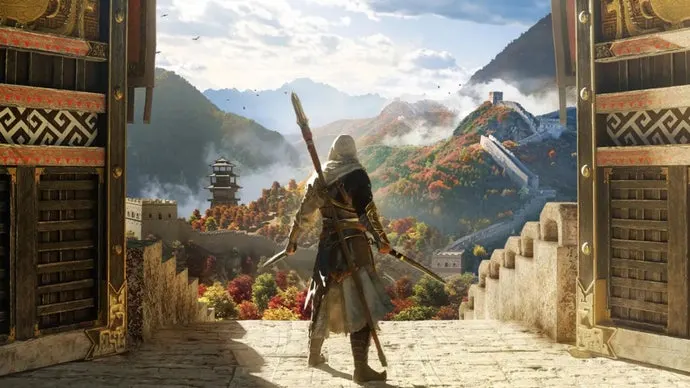
Ubisoft says Assassin’s Creed Jade, its mobile game set in China, remains in development, but the company is prioritising console and PC games for its biggest franchises. The update came as Ubisoft outlined changes to its management structure amid financial losses and continued job cuts.
The company merged Creative Houses 3 and 5 under Julien Bares and said its new operating model is fully in place. For the first half of the year, Ubisoft reported a net loss of €254.5 million and net bookings of €644.7 million, down 16.5 per cent. It also confirmed 166 job cuts at its Montréal and Québec City studios, following wider restructuring and layoffs.
In short
- Assassin’s Creed Jade remains in development.
- Ubisoft says console and PC are its main focus.
- The company reported a €254.5 million half-year loss.
Steelman: both sides, in good faith
The strongest fair case each way — we don't pick a winner.
The case for
Ubisoft’s restructuring and focus on its strongest console and PC franchises could help it concentrate investment, improve financial performance and protect the company’s long-term ability to make games. Keeping Assassin’s Creed Jade in development while adjusting its priority may be a way to preserve the project without committing scarce resources ahead of clearer demand.
The case against
The shift in priorities and continued job cuts raise concerns that restructuring may weaken creative teams and leave projects such as Assassin’s Creed Jade with less support or an uncertain future. Employees and players may reasonably question whether a new management structure can address the financial losses while retaining experienced staff and delivering on games already announced.
Explained simply
Assassin’s Creed is a long-running series of action-adventure games published by Ubisoft, a French video game company. Jade is a planned mobile entry set in ancient China, where players are expected to explore and take part in the series’ usual mix of action and historical fiction.
Ubisoft organises its game teams into groups called Creative Houses, which oversee development and business decisions. The company has been changing this structure while dealing with falling sales and losses, alongside job cuts at several studios.
The changes matter because Ubisoft is deciding how to focus its staff and investment across its games. Its largest franchises include Assassin’s Creed, and choices about which platforms and projects to prioritise can affect both future releases and the teams making them.