World news and discussion on TalkFuse.
UCLA sex assault victim terrorized with rotting animal remains after cops gave accused attacker her address: suit
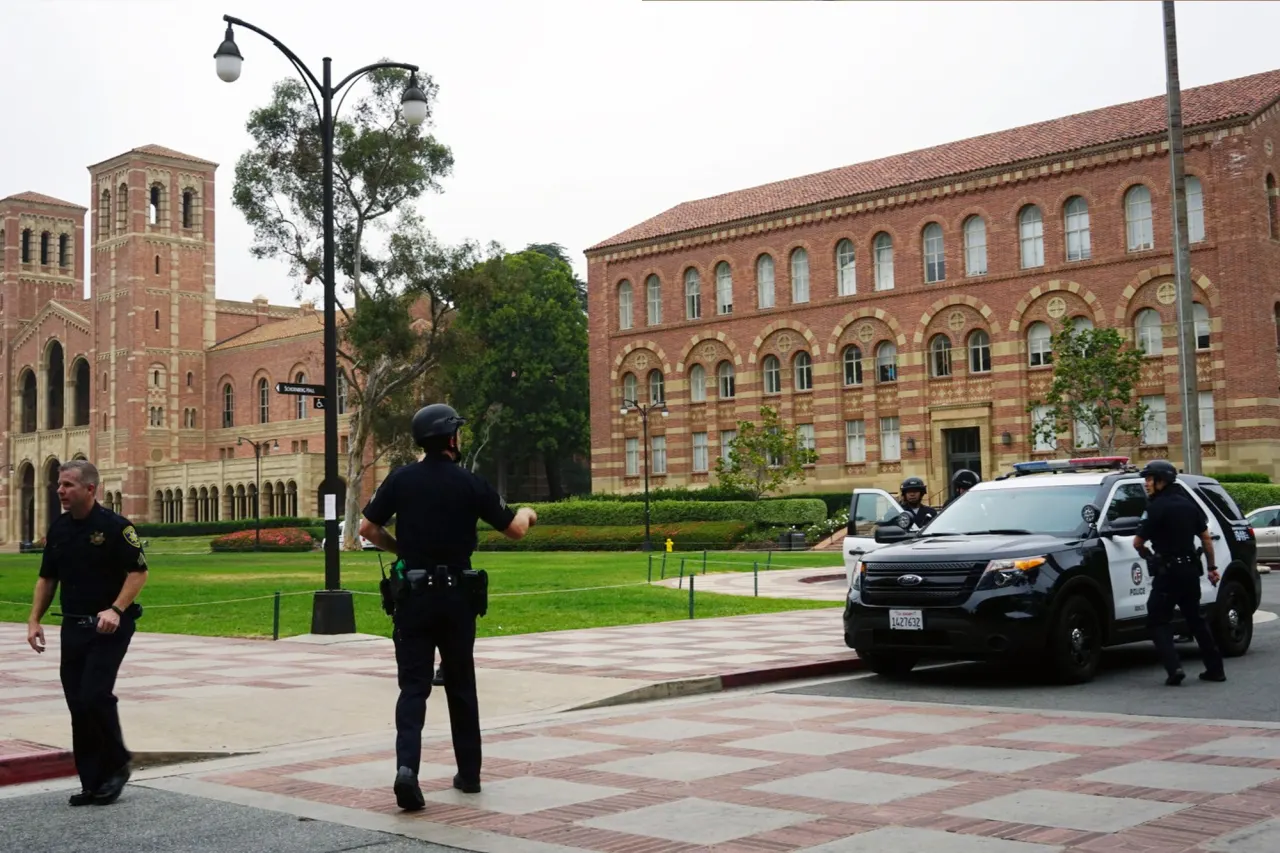
A former UCLA student is suing the University of California Board of Regents, alleging campus police disclosed her home address and confidential sexual assault examination records to the man she accused of assault. She says that within days her car windscreen was smashed and rotting animal remains were left at her residence, raising questions about how police handle victims’ sensitive information.
The suit says the disclosure occurred during an ongoing university Title IX case, after prosecutors declined to bring criminal charges. It alleges the accused student and his adviser were allowed to inspect and photograph medical records and police paperwork, despite a warning that releasing the material could breach California law. The woman also claims UCLA refused her request for safe housing and surveillance footage, and closed her report of the vandalism as a bias incident without identifying anyone; she seeks damages for emotional distress and harm to her studies.
In short
- A UCLA student alleges police disclosed her address and assault examination records.
- She says vandalism and animal remains followed within days.
- Her lawsuit seeks damages and alleges failures to protect her information.
Steelman: both sides, in good faith
The strongest fair case each way — we don't pick a winner.
The case for
The university may argue that allowing the accused student and his adviser to inspect relevant records was part of a fair process, giving them a meaningful chance to respond to the allegations after prosecutors declined charges. It could also contend that the vandalism was not shown to be connected to the disclosure, and that decisions on housing, footage and how to classify the incident were made under the procedures and evidence available at the time.
The case against
The former student’s case is that sharing her address and confidential medical and police records exposed her to foreseeable harm and may have violated legal protections, especially after a warning about disclosure. She can argue that the subsequent threats and vandalism, alongside the refusal of requested safety measures and the failure to identify anyone responsible, show that the university did not adequately protect her privacy, safety or ability to study.