Uefa questions Infantino leadership after Fifa investment plan withdrawal
Developed over time first seen 3 months ago
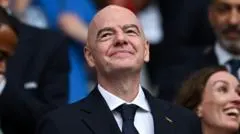
Fifa president Gianni Infantino's leadership has come under sustained public pressure after he abandoned plans to sell private investment stakes in Fifa competitions, with Uefa and Concacaf both issuing statements accusing him of poor governance. Uefa welcomed the U-turn as "a victory for the whole game" but said it, along with much of the "football family", had lost confidence in the current leadership, while Concacaf called for "a full review" of how the proposal was ever allowed to proceed. The row leaves Infantino facing significant scrutiny as he seeks a fourth term as Fifa president at the Congress in March 2027.
Uefa accused Infantino of breaking 2016 campaign promises on transparency and on Fifa's money serving football's development rather than being used for a "shabby, back room, opaque deal". Concacaf said accountability "cannot be optional" and that unity had ultimately prevailed over what it called a symptom of leadership that had stopped putting football first, though it stopped short of naming Infantino directly. UK Prime Minister Andy Burnham, the first major national leader to call for Infantino's resignation, said Fifa had made "the right decision" in dropping the plan, while Qatar's football association became the first body to publicly back Infantino, praising his prioritisation of unity even as it welcomed the scrapped proposal.
- Uefa and Concacaf publicly criticise Infantino after Fifa dropped investment sale plan
- Concacaf demands "full review" of Fifa leadership over the affair
- Pressure mounts on Infantino ahead of March 2027 re-election bid
New here? Start with this
Fifa is football’s global governing body, responsible for major competitions including the men’s and women’s World Cups. Uefa is the body that runs European football, organising tournaments such as the Champions League and representing national associations across Europe.
Gianni Infantino has been Fifa president since 2016. His role includes overseeing the organisation’s strategy and finances, but Fifa’s decisions can affect national teams, clubs, players and broadcasters worldwide.
The dispute concerns whether outside investors should be allowed to buy stakes in football competitions in return for funding. Supporters may see private investment as a way to raise money, while critics worry it could reduce governing bodies’ control over major tournaments and place future revenues under commercial pressure.
Both sides, in good faith
The strongest fair case each way — we don't pick a winner.
The case for
Uefa’s position is that global football’s major competitions are public sporting assets whose governance must be transparent, accountable and directed towards the long-term interests of players, supporters and member associations. From this perspective, pursuing private investment without clear consultation or disclosure risks placing commercial returns ahead of sporting integrity, and the withdrawal justifies serious concerns about Fifa’s leadership and decision-making. The reported opposition across confederations and criticism from within Fifa strengthen the case that a boycott threat was a legitimate safeguard for the game’s independence.
The case against
A defence of Fifa’s leadership would argue that exploring outside investment can be a responsible response to the rising costs, competitive pressures and development needs of a global sport. Properly structured investment might generate funds for grassroots football, women’s football and less wealthy associations without surrendering control of competitions, and abandoning a proposal after concerns emerge can demonstrate corrective governance rather than bad faith. On this view, Uefa’s loss-of-confidence statement may be disproportionate, particularly given its own substantial commercial influence and interest in preserving the existing distribution of football revenues.
More coverage
Read the full article at the source →
Originally published by BBC Sport as “Uefa has ‘lost confidence’ in Fifa leadership”.