Technology news and discussion on TalkFuse.
Ugly AI Food Photos Are Only the Beginning
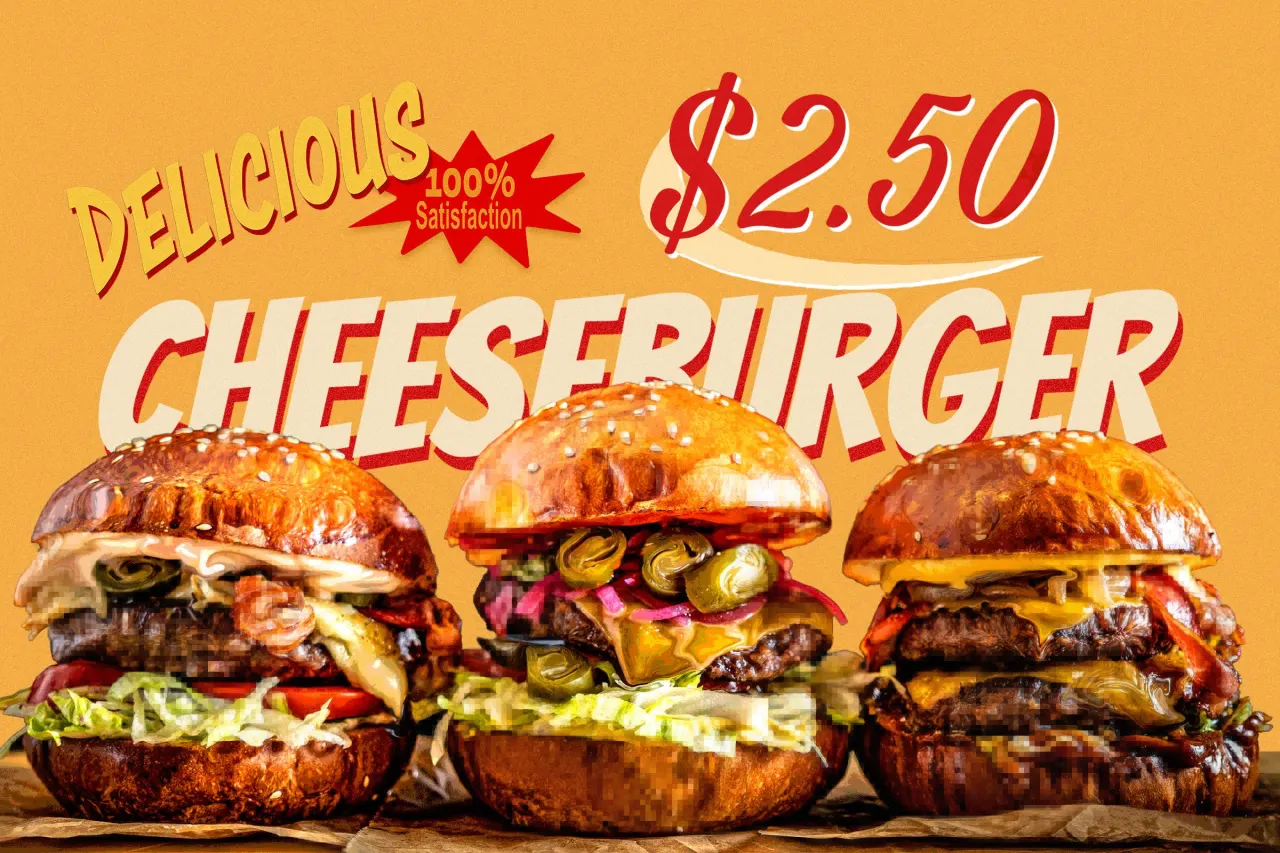
AI-generated images and content are increasingly infiltrating restaurant menus, from delivery apps to physical posters, often producing bizarre or unappetising results such as maggot-riddled burritos or plasticky pasta. The trend, dubbed "AI menu slop", has emerged as restaurants digitised their offerings to compete on platforms like DoorDash and Uber Eats, using free or low-quality AI tools to generate food imagery instead of paying for professional photography, frequently with poor and off-putting results.
Beyond images, AI is now shaping what actually appears on menus, with data firm Tastewise, which works with companies including Nestlé, PepsiCo and Kraft Heinz, deploying "agentic" tools to guide product development and identify menu trends. Its chatbot, TasteGPT, flagged trends such as dates, cake-flavoured plant-based snacks, cold foam, hot honey, strawberry matcha and ube as rising consumer interests, illustrating how generative AI is moving from surface-level visuals into decisions about food creation itself.
In short
- AI-generated food images on menus are going viral for looking disgusting
- Restaurants use cheap AI tools instead of paying for photography
- AI, via tools like TasteGPT, now also shapes menu content and trends
Steelman: both sides, in good faith
The strongest fair case each way — we don't pick a winner.
The case for
Restaurants face pressure to compete online while managing tight budgets, and AI tools can help them create menu images and spot emerging tastes quickly and cheaply. Used carefully, they could make promotion and product research more accessible to smaller businesses and help companies respond to customer interests.
The case against
Poorly generated food images can mislead or put off customers, weakening trust in a restaurant’s menu and making platforms feel less reliable. When AI tools also steer product development, businesses may give too much weight to patterns in data and risk producing formulaic offerings at the expense of culinary judgement and genuine customer feedback.
Explained simply
Restaurant menus have moved on to delivery apps and social media, where food photos can influence what customers choose. Some restaurants use AI image tools to make those pictures, and the results can look very different from the dishes they are meant to show.
AI tools are also being used to analyse food trends and help companies decide what products or dishes to develop. Tastewise, a data firm that works with large food and drink companies, offers a chatbot called TasteGPT to identify ingredients and flavours gaining interest.
These uses affect both how food is presented and which ideas businesses explore. For customers, that may shape what they see on a menu; for restaurants and food companies, it may influence choices about marketing and product development.
AI Americas Culture Food Technology Trending Weird & Viral World