UK urges Interpol to refuse Argentina’s arrest notices over Falklands oil project
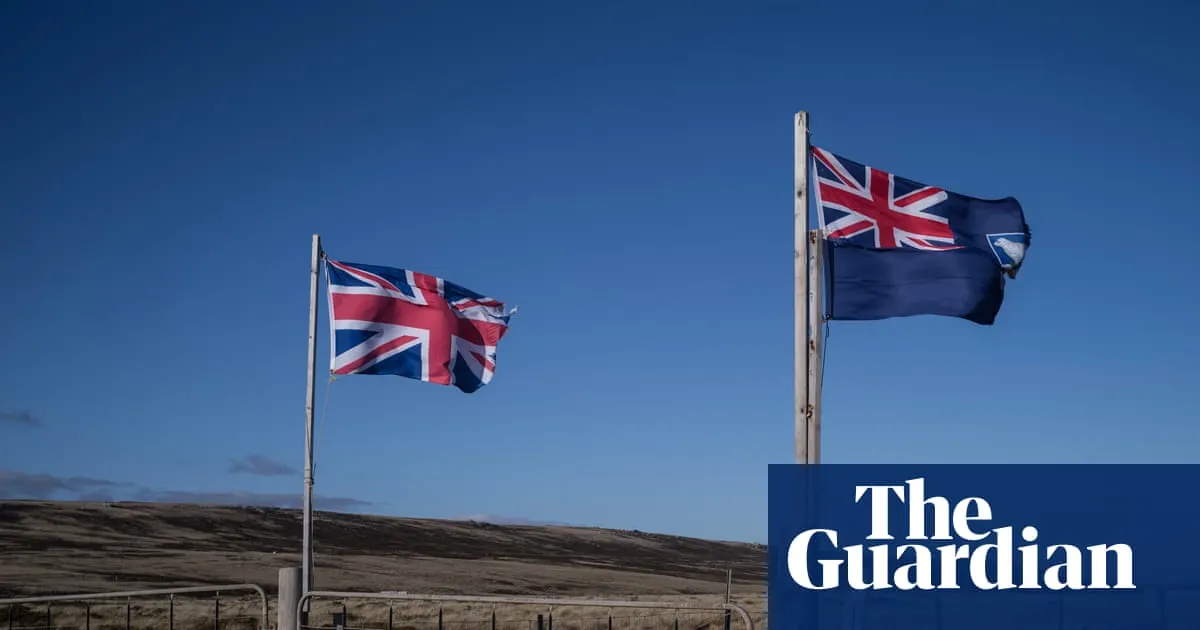
The UK has asked Interpol to reject Argentina’s requests for red notices seeking the arrest of people linked to the Sea Lion oil project near the Falkland Islands. British officials say the requests appear politically motivated and could deter companies and individuals from lawful commercial activity, amid a sharp rise in tensions over the islands’ sovereignty.
Sea Lion, in the North Falkland Basin, could triple the islands’ GDP, while Argentina’s president, Javier Milei, has vowed to block it. Interpol says it will observe its constitution’s ban on political activity; red notices are requests for countries to locate and provisionally arrest people, with each country deciding whether to act. The UK says it may use trading interests legislation to protect affected businesses, while Argentina continues to claim the islands despite a 2013 referendum in which 99.8% of voters chose to remain British.
- The UK urges Interpol to reject Argentina’s arrest requests.
- The requests target people linked to the Sea Lion oil project.
- The UK may use trading interests legislation to protect businesses.
New here? Start with this
The Falkland Islands are a British-administered territory in the South Atlantic, claimed by Argentina, which calls them the Malvinas. The dispute led to a war between the UK and Argentina in 1982, and sovereignty remains contested.
Sea Lion is a proposed oil development in waters near the islands, in an area known as the North Falkland Basin. The project could bring substantial economic change to the islands, while Argentina opposes it as part of its claim to the surrounding area.
Interpol is an international police organisation that circulates notices to help countries locate people; a red notice asks countries to consider provisional arrest, but does not itself require them to make one. Interpol’s rules bar it from taking part in political matters, so how it handles requests linked to the sovereignty dispute may affect people and firms involved in the project.
Both sides, in good faith
The strongest fair case each way — we don't pick a winner.
The case for
The UK can argue that Interpol’s arrest notices should not be used to advance a sovereignty dispute, especially if the allegations target people for involvement in a lawful commercial project. Rejecting politically motivated requests would protect due process and help prevent international policing from deterring legitimate business activity.
The case against
Argentina can argue that it is entitled to use legal and diplomatic measures to oppose a major oil project in territory it claims, and that the project’s economic value does not settle the sovereignty question. It may also contend that Interpol should assess the requests on their legal merits rather than reject them solely because the dispute has political dimensions.
Business Government Politics UK World
Read the full article at the source →
Originally published by The Guardian as “UK asks Interpol to reject Argentina’s ‘politically motivated’ requests for Falklands oil arrests”.