UK carmakers weigh Chinese investment against vital EU export access
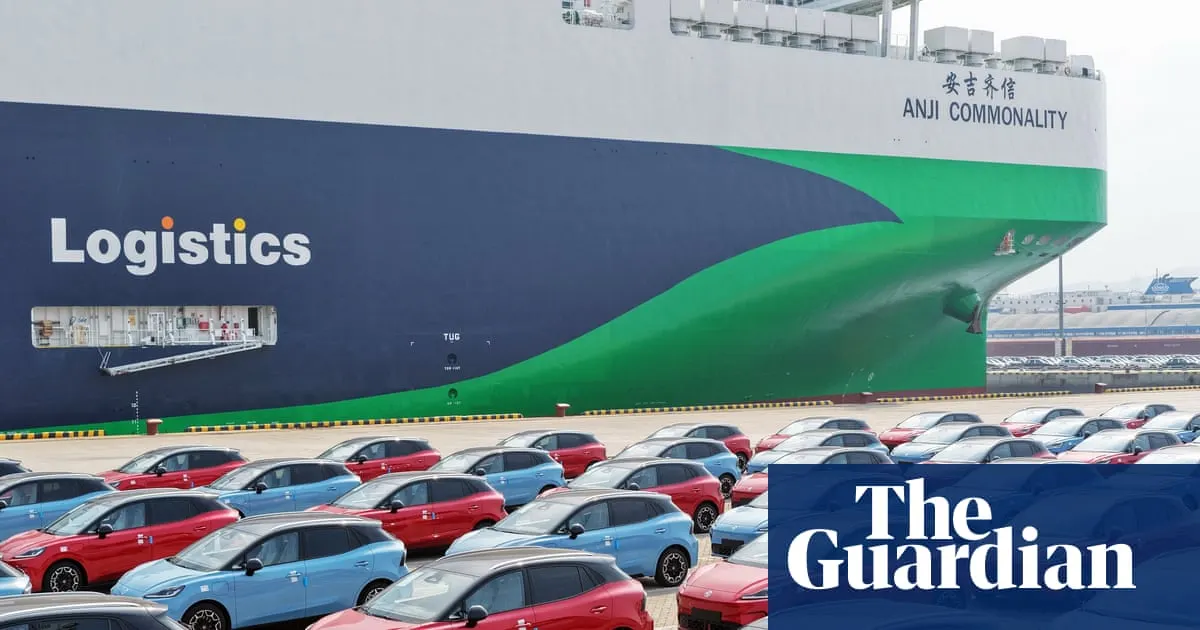
Britain's car industry faces a critical dilemma, attempting to balance attracting Chinese investment against the risk of EU protectionist barriers. The UK currently has no tariffs on cheap Chinese vehicles, unlike the US and EU, but EU officials have warned that Brussels would impose "made in Europe" restrictions on British exports unless the UK follows suit. The EU accounts for 58 per cent of UK car exports, making it strategically far more vital than China, which represents only 4 per cent of exports.
Chinese brands including BYD, Omoda and Jaecoo have captured 12 per cent of UK new car sales in the first eight months of 2026, driving overall registrations up 12 per cent year-on-year to their best performance since 2017. Ministers have resisted imposing tariffs, arguing they would likely be reciprocated and would increase prices for British consumers who have embraced cheaper imported vehicles. Imposing tariffs risks deterring Chinese investment such as Chery's planned manufacturing at Nissan's Sunderland plant, whilst avoiding them could trigger EU exclusion and harm smaller British suppliers integrated into European markets.
- UK must choose between Chinese investment or EU market access (58 per cent of car exports).
- Chinese car brands tripled market share to 12 per cent, driving 12 per cent growth in new registrations.
- Government resists tariffs, fearing Chinese retaliation, but EU threatens protectionist measures.
New here? Start with this
Chinese vehicle makers have recently captured a growing share of the UK car market with cheap electric cars, and Chinese companies now want to invest in British factories. The UK currently has no tariffs on Chinese vehicles, unlike the EU and United States. However, the European Union has warned that it will restrict British car exports unless the UK imposes these taxes.
The EU is crucial to British car makers, accounting for over half of all UK car exports, compared to only 4 per cent from China. If the UK imposes tariffs to protect the EU market, it risks deterring Chinese investment and raising prices for British consumers who have increasingly bought cheap imported vehicles. If it does not impose tariffs, the EU has threatened to block British car exports, potentially damaging the much larger European trade.
Ministers have resisted imposing tariffs because they believe taxes would likely be reciprocated by China and would increase costs for British buyers. This decision will significantly affect how the UK car industry develops, where it can sell its products, and what vehicles cost British consumers.
Both sides, in good faith
The strongest fair case each way — we don't pick a winner.
The case for
The UK's strategic priority must be protecting access to the EU market, which accounts for 58 per cent of car exports compared to just 4 per cent from China. The EU has explicitly signalled that failure to impose tariffs on Chinese vehicles risks triggering protectionist barriers against British exports, threatening the supply chains of countless smaller manufacturers integrated into European production networks. Whilst Chinese investment offers short-term gains, the EU market represents the UK's long-term economic foundation and should take precedence in policy-making.
The case against
Tariffs would likely spark Chinese retaliation, ultimately harming British consumers and manufacturers more than helping them. The UK's competitive strength lies in its openness to global markets and investment—imposing barriers contradicts this advantage and risks deterring valuable manufacturing operations like Chery's Sunderland plant. Consumers have evidently benefited from cheaper Chinese vehicles, and the government should prioritise their welfare and the economic stimulus of foreign investment rather than capitulating to EU pressure or restricting competition.
Asia Business Europe Markets UK World
Read the full article at the source →
Originally published by The Guardian as “UK car industry faces ‘difficult trade-off’ between Chinese and EU markets”.