Health news and discussion on TalkFuse.
UK conscription’s ‘first group’ to be recruited ‘refuses to fight’ in WW3
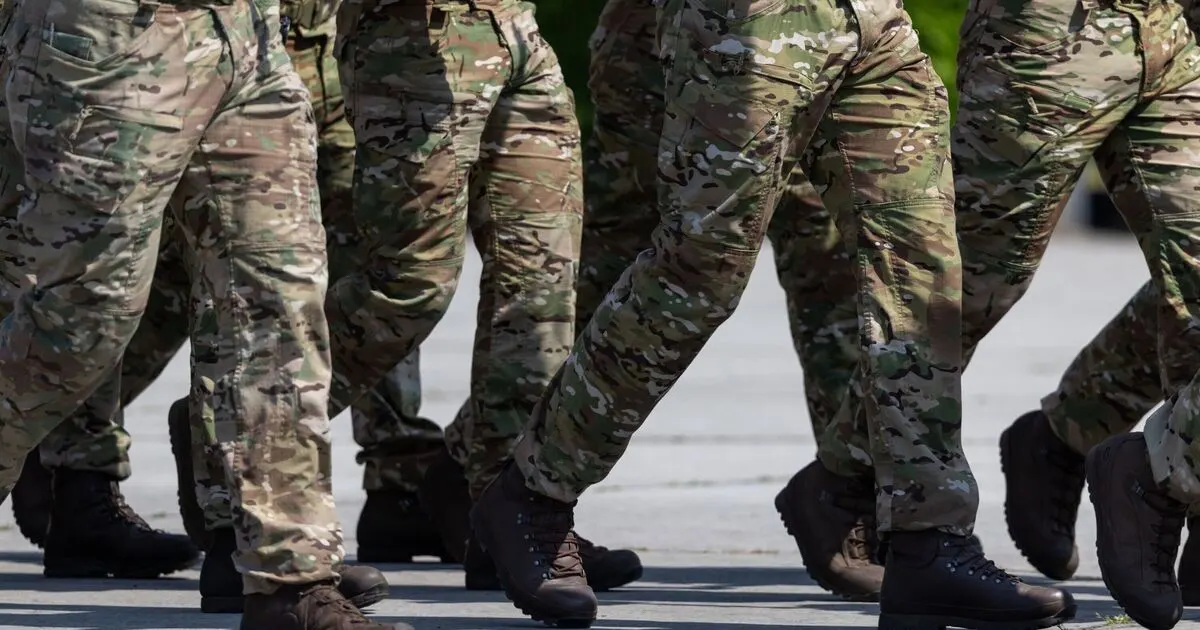
A British Social Attitudes Survey has found that only 22 per cent of people under 35 would be willing to join the armed forces or consider doing so highly important. The finding raises questions about how young people might respond if the UK ever reintroduced conscription, though the article says there are no current plans to do so.
The survey questioned 4,656 people aged 16 and over, and found that more respondents viewed the United States as a threat than in previous years. The UK last used conscription in 1963; during the Second World War, service was required for men aged 18 to 41. Historian David Swift has suggested unemployed graduates could be targeted in a future call-up, while people working in defence industries might be exempt or directed into those roles.
In short
- Only 22 per cent of under-35s say they would be willing to serve.
- The UK has not used conscription since 1963.
- A historian suggests graduates could be called up, with defence workers exempt.
Steelman: both sides, in good faith
The strongest fair case each way — we don't pick a winner.
The case for
Supporters of conscription could argue that, if a major war threatened the UK, a temporary call-up might be needed to defend the country and share the burden of service across society. Low stated willingness among under-35s could make planning for recruitment, exemptions and alternative roles more urgent, while allowing some people to serve in defence industries could help meet military needs.
The case against
Opponents could argue that willingness to serve is a matter of conscience, and that compelling people to fight would impose an exceptional cost on individual freedom and wellbeing. The survey records attitudes in peacetime, not how people would respond to an actual threat, and low support may point towards strengthening voluntary service and addressing its causes rather than preparing to conscript.