Business news and discussion on TalkFuse.
UK defends seizing shadow fleet tanker after Putin threat
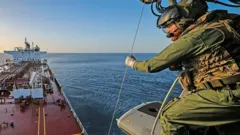
The UK has defended its seizure of the Russian-linked oil tanker MT Smyrtos in the English Channel after Vladimir Putin warned that Russia could retaliate against Western vessels. Britain says the operation, involving Royal Marines boarding the ship and taking it to waters off Weymouth, complied fully with international law and was intended to disrupt sanctions evasion funding Russia’s war in Ukraine.
The tanker’s captain, Ajay Pant, has been charged with breaching Russian sanctions over allegedly supplying or delivering prohibited Russian oil. The UK Ministry of Defence says Russia’s “shadow fleet” exceeds 700 vessels and carries 75% of its sanctioned oil; the EU has sanctioned more than 630 such ships by mid-August 2026, barring them from EU ports. Putin called Western seizures “piracy”, while Russia’s Pacific Fleet commander said Moscow could inspect and detain vessels from states it considers unfriendly.
In short
- UK says tanker seizure lawfully targeted Russian sanctions evasion.
- Putin threatened retaliation against Western vessels.
- Russia’s shadow fleet helps sustain oil exports and war funding.
Steelman: both sides, in good faith
The strongest fair case each way — we don't pick a winner.
The case for
The seizure represents legitimate enforcement against systematic sanctions evasion designed to fund an ongoing war of aggression. International law permits states to enforce sanctions against vessels in their jurisdiction, and the shadow fleet operates deliberately outside legal frameworks to circumvent international sanctions. Disrupting these financial mechanisms must take precedence over concerns about maritime enforcement precedent.
The case against
Unilateral seizure of foreign vessels, even with serious policy justifications, raises fundamental questions about maritime law and the proper framework for enforcement. Bypassing established international legal mechanisms and seizing vessels sets concerning precedents that could enable other powers to justify similar coercive actions against shipping, potentially destabilising the international maritime order. Pursuing enforcement through international courts or multilateral coordination might better achieve both the enforcement objective and broader stability.
Explained simply
The term “shadow fleet” refers to tankers used to carry Russian oil despite Western sanctions, which restrict trade and services linked to Russia. Such ships may use complex ownership arrangements or change their names and flags, making it harder to track who controls them and where their cargo comes from.
The UK and the European Union have imposed sanctions to limit Russia’s oil income since its invasion of Ukraine. The restrictions include measures against individual ships, such as preventing them from using ports or services in countries that enforce the sanctions.
Russia says Western seizures of vessels are unlawful, while the UK says action against ships suspected of breaking sanctions can be taken under international law. The dispute matters because it could affect shipping through busy waters and raise the risk of wider tensions between Russia and Western countries.
Business Government Markets Politics UK World