Business news and discussion on TalkFuse.
UK games retailer Game entered administration owing £16m, thanks to fierce competition, consumer trends, and “uncertainty associated with Brexit”
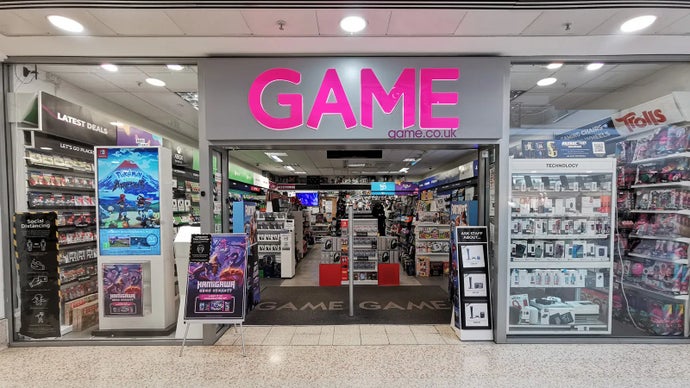
UK high street video game retailer Game entered administration in February 2026, owing approximately £15.8m, according to a new report from administrators KR8 Advisory. The report, written by administrators James Saunders and Lauren Wentworth after their April appointment, attributes the collapse to shifting consumer habits, intense competition and lingering "uncertainty associated with Brexit", capping years of declining fortunes for a once-dominant chain.
The report traces Game's decline from a peak of 300 stores in 2012 through a 71% profit drop (£6.8m) in 2016 and a £7.1m operating loss the following year, prompting Frasers Group to acquire the brand's IP in 2019. A weak autumn trading period in 2025, combined with no major console releases since 2020 and ongoing chip shortages, ultimately made the business unviable. The outlook for physical retailers remains bleak, with Grand Theft Auto 6 reportedly skipping a physical disc release, Sony planning to end disc production from 2028, and no next-generation console launch date yet confirmed.
In short
- Game entered administration owing roughly £15.8m in February 2026
- Brexit uncertainty, digital shift and competition blamed for collapse
- No major console launches since 2020 worsened trading conditions
Steelman: both sides, in good faith
The strongest fair case each way — we don't pick a winner.
The case for
The administrators, in their professional analysis of complete financial records, identified Brexit uncertainty as a contributing factor to Game's collapse. In an industry already experiencing disruption, additional policy uncertainty can meaningfully affect business planning, supply chain investments, and consumer spending patterns during a critical period. Dismissing this institutional judgment overlooks how broader economic conditions intersect with structural market challenges in real business failures.
The case against
Game's decline actually predated Brexit significantly, shrinking from 300 stores in 2012 with major losses occurring in 2016-17. The shift to digital distribution represents a global transformation affecting physical game retailers worldwide, not a UK-specific problem, whilst delayed console releases and supply chain issues affected the industry broadly. Crediting Brexit risks obscuring the fundamental technological and consumer shifts that were rendering physical game retail increasingly unviable regardless of policy environment.
Explained simply
Game was once the leading video game retailer on the UK high street, with hundreds of shops at its peak in the early 2010s. The company's entry into administration represents the decline of physical game retail in an increasingly digital market.
The business experienced years of falling sales as consumers shifted towards buying games online or through digital platforms rather than visiting physical shops. The retailer also faced intense competition, supply chain disruptions, weak trading periods, and the lack of major new console releases for several years, all of which strained the company's finances.
Game's struggles reflect broader changes in the gaming industry away from physical products towards digital distribution. Console manufacturers and game publishers are increasingly moving away from physical releases, with reports that future games may not have physical versions and that disc manufacturing is set to end within the next few years.
Business Companies Entertainment Gaming UK