Politics news and discussion on TalkFuse.
UK government to outlaw new North Sea drilling
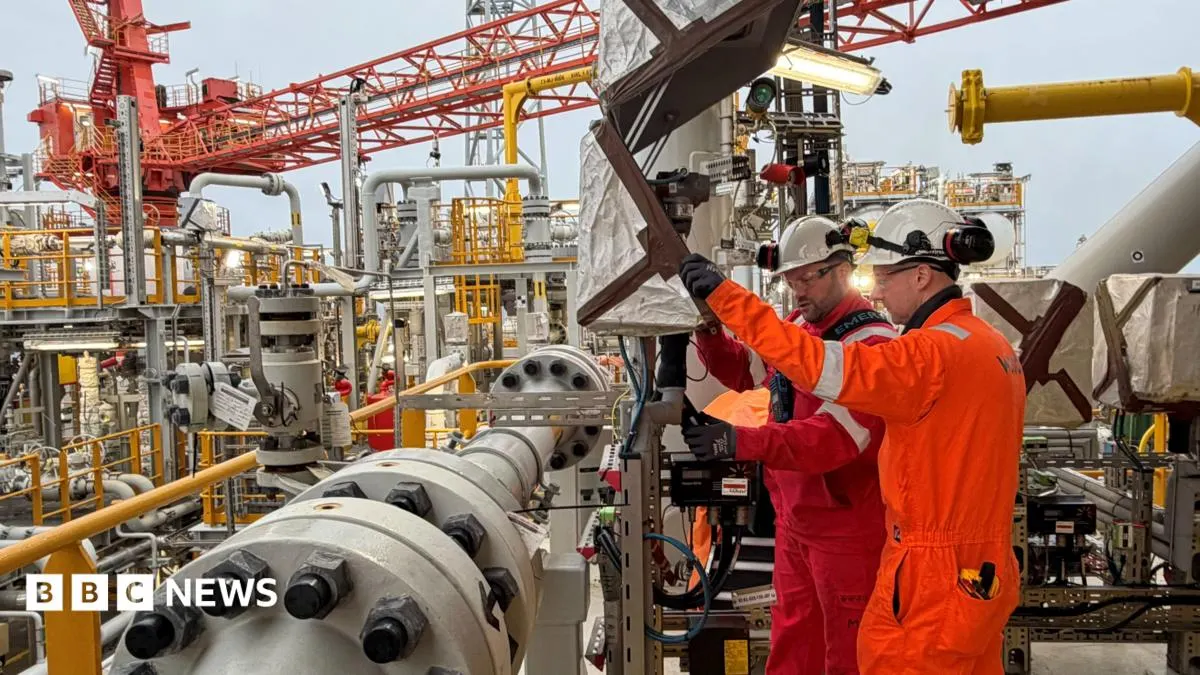
The UK government has introduced the Energy Independence Bill, which would prevent the North Sea Transition Authority from issuing licences for new oil and gas exploration. Ministers say the measure fulfils Labour’s manifesto promise and supports efforts to tackle global warming, while opponents argue it risks jobs, energy security and the economy.
The bill would let existing fields seek extra production near licensed areas, which the government estimates could yield about 60 million barrels of oil and support hundreds of jobs. It would also scrap gas standing charges, speed up grid connections and establish a £2bn fund for renewable and low-carbon projects. The legislation would not settle whether production can proceed at Rosebank, a field estimated to hold 300 million to 500 million barrels; Jackdaw production was approved two weeks earlier.
In short
- Bill would end licences for new North Sea exploration.
- Existing fields could produce around 60 million extra barrels.
- Rosebank’s production decision remains unresolved.
Steelman: both sides, in good faith
The strongest fair case each way — we don't pick a winner.
The case for
Ending licences for new exploration could help the UK meet its climate commitments and avoid encouraging long-lived fossil fuel projects as the world shifts towards cleaner energy. Supporters may also argue that clear rules give investors and workers a stronger signal to develop renewables and other low-carbon industries, while continued production from existing fields provides some near-term supply.
The case against
Opponents may argue that restricting exploration could make the UK more reliant on imported oil and gas without reducing global demand, potentially shifting production to places with weaker environmental standards. They may also point to risks for North Sea jobs, businesses and public revenues, and argue that domestic resources could support energy security during the transition to more reliable low-carbon supply.
Explained simply
The North Sea has been a major source of oil and gas for the UK for decades. Companies need licences from the North Sea Transition Authority, the regulator that oversees offshore exploration and production, before they can look for new reserves.
The debate is about how quickly to move away from fossil fuels while keeping energy supplies reliable and supporting workers and communities linked to the industry. Labour has promised to stop new exploration licences; opponents say this could affect jobs, the economy and energy security, while supporters see it as part of tackling climate change. Existing fields and decisions about particular projects are separate questions from whether new exploration licences should be issued.