Home Office supplied 974 hijabs to small-boat migrants in six months
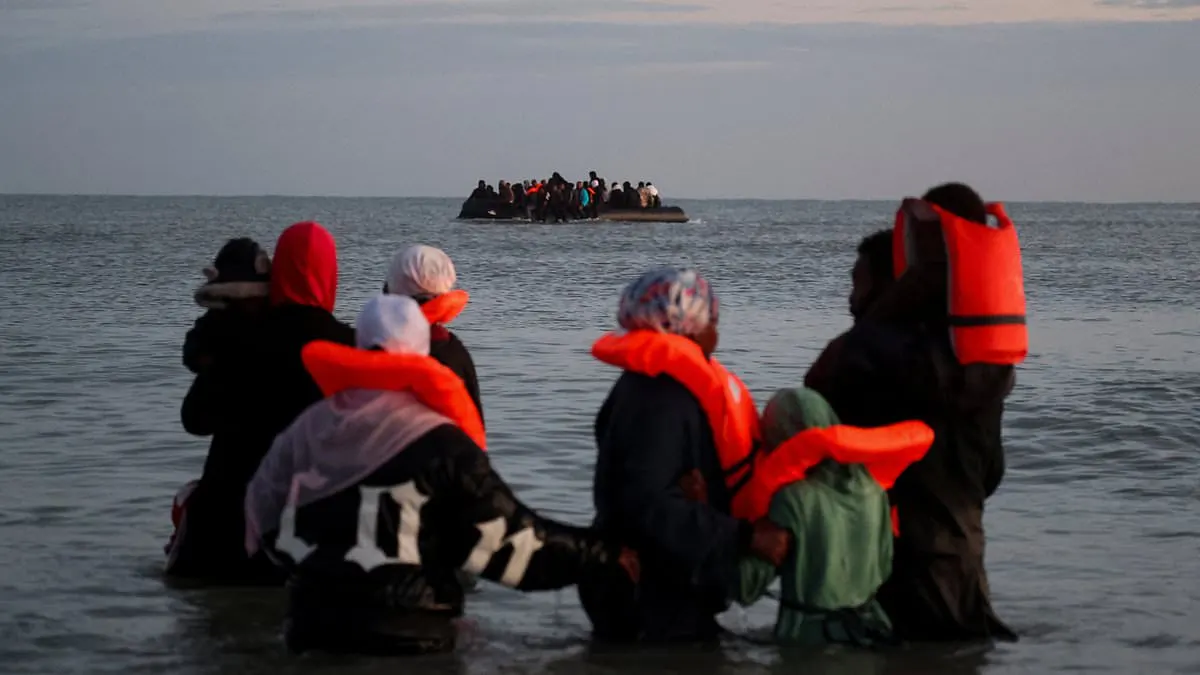
Government figures show that 974 hijabs were provided to small-boat migrants between January and June, prompting Conservative criticism that public money should not fund religious clothing. The Home Office says it has a legal duty to supply basic clothing, including cultural and religious items, when needed.
The figures imply a rate of about 162 hijabs a month and a total approaching 1,500 by the time of the report. More than 19,000 people had arrived by small boat so far that year, 42 per cent fewer than over the same period in 2025; the article says each boat carried an average of 67 people. Other clothing supplied included 10,694 packs for men, 2,670 for women, 773 for boys and 829 for girls.
- Government figures record 974 hijabs provided from January to June.
- The Home Office says clothing is part of its welfare duties.
- Small-boat arrivals were down 42 per cent year on year.
New here? Start with this
Small-boat migrants are people who cross the English Channel in small boats to reach Britain after leaving their home countries. The Home Office is the government department responsible for immigration and borders. When migrants arrive in the UK, the department is legally required to provide them with basic essentials including food, shelter and clothing.
The recent figures show that between January and June, the Home Office supplied 974 hijabs to migrants—the traditional head coverings worn by some Muslim women. The department provides these religious and cultural items when migrants request them, explaining that this is part of its legal duty to meet people's basic needs.
The disclosure has attracted political criticism, particularly from Conservative politicians who argue that public funds should not be used to provide religious clothing. The broader issue involves debates about government spending on migration, the extent to which the state should accommodate religious practices, and the responsibilities authorities hold towards people upon arrival in the country.
Both sides, in good faith
The strongest fair case each way — we don't pick a winner.
The case for
Individuals in state custody deserve basic necessities, including clothing that respects their cultural and religious identity. Providing hijabs alongside other clothing acknowledges that religious expression is part of fundamental human dignity, and this does not constitute state endorsement of religion but rather recognition that the state must respect protected freedoms when people are dependent on public provision.
The case against
Whilst supporting vulnerable migrants matters, it is fair to question whether public funds should specifically purchase religious clothing rather than offering secular alternatives that meet the same practical needs. Some argue the state should remain rigorously neutral on religious expression, providing dignified support without directly funding particular religious practices—a principle applying equally to all belief systems.
Read the full article at the source →
Originally published by Daily Mail as “UK hands out 1,000 hijabs to channel migrants: Tories blast use of taxpayers’ money to fund ‘instruments of suppression’ for illegal arrivals”.