UK urged to build AI systems resilient to foreign restrictions
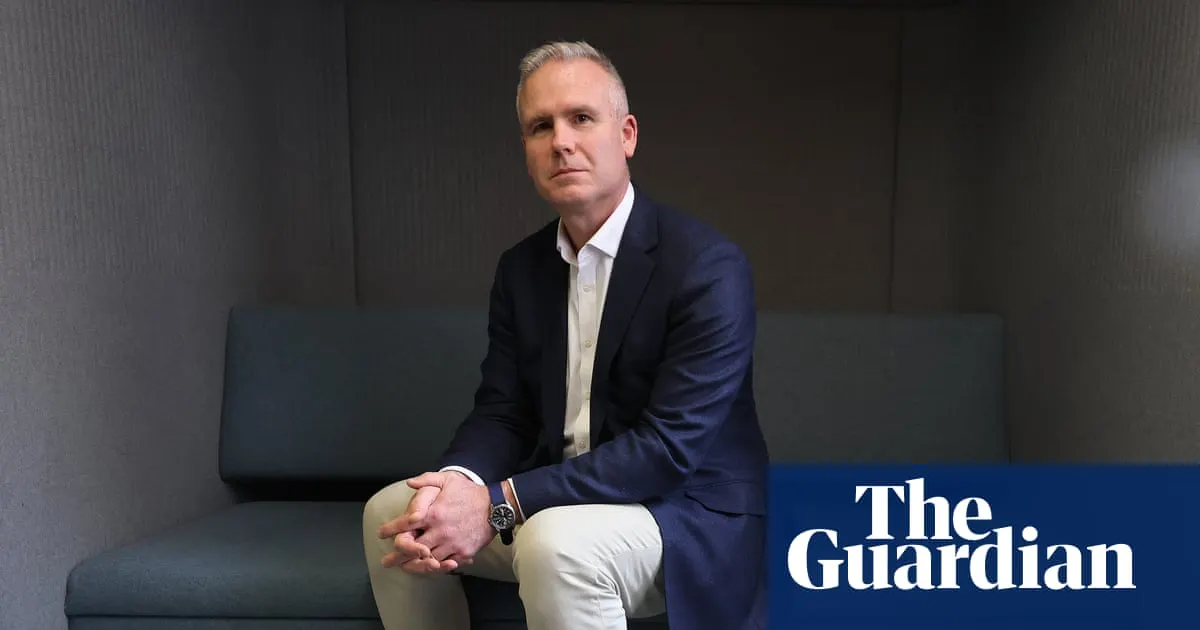
The UK must develop its own artificial intelligence systems to avoid dependency on foreign technology that could be restricted or switched off, according to George Williamson, head of the Alan Turing Institute. He cited recent US moves to block Anthropic's latest AI models and restrict access to UK researchers, arguing that national resilience in AI has become critical as the technology embeds itself in defence, healthcare and critical infrastructure.
Williamson, previously at the UK's government communications centre, emphasised that both political and commercial pressures mean the UK cannot reliably access foreign AI systems when needed. The institute, the country's leading AI research body, is shifting its focus under new government-driven strategic direction, with Williamson highlighting concerns about geopolitical tensions, state-backed disinformation and existential risks posed by increasingly powerful AI systems.
- UK needs sovereign AI to avoid foreign tech dependency risks
- Recent US restrictions highlight vulnerability to geopolitical pressures
- National resilience in AI is now priority for Turing Institute
New here? Start with this
Artificial intelligence is now used across many of Britain's most important services, from defence and healthcare to banking and energy infrastructure. This means that any restriction or disruption to foreign AI systems could affect these critical parts of British life.
George Williamson, head of the Alan Turing Institute (the UK's leading AI research organisation), has warned that Britain cannot depend indefinitely on foreign-controlled technology. He argues that countries and companies may restrict or cut off access to their AI systems during geopolitical tensions, leaving the UK vulnerable.
As artificial intelligence becomes more strategically important, countries around the world are competing to lead in the technology. The UK must now decide whether to invest heavily in developing its own AI systems to ensure it can operate independently, rather than remaining dependent on technology supplied from abroad.
Both sides, in good faith
The strongest fair case each way — we don't pick a winner.
The case for
The UK faces genuine vulnerability if foreign AI systems underpinning critical infrastructure—defence, healthcare, emergency services—can be restricted or disabled by geopolitical rivals or commercial actors. Recent US moves to block access to advanced models demonstrate the risk is concrete rather than theoretical. Building sovereign capability in AI technology is strategically necessary for national resilience, ensuring the UK maintains control over systems vital to national security and can protect against coercion through technological dependence.
The case against
The UK cannot realistically compete with the scale of US investment and development in AI, making full independence economically inefficient and potentially wasteful. Britain benefits substantially from access to world-leading AI tools through open markets and international partnerships. Rather than pursuing costly duplication, the UK should negotiate robust trade agreements, maintain strategic relationships with allied nations, and diversify across multiple foreign suppliers. An isolationist approach would damage British competitiveness, innovation, and economic growth by severing access to cutting-edge technology.
AI Americas Asia Business Technology UK World
Read the full article at the source →
Originally published by The Guardian as “UK must not be beholden to foreign AI, says head of Alan Turing Institute”.