UK officials discussing free movement with EU ahead of summit, says Reynolds
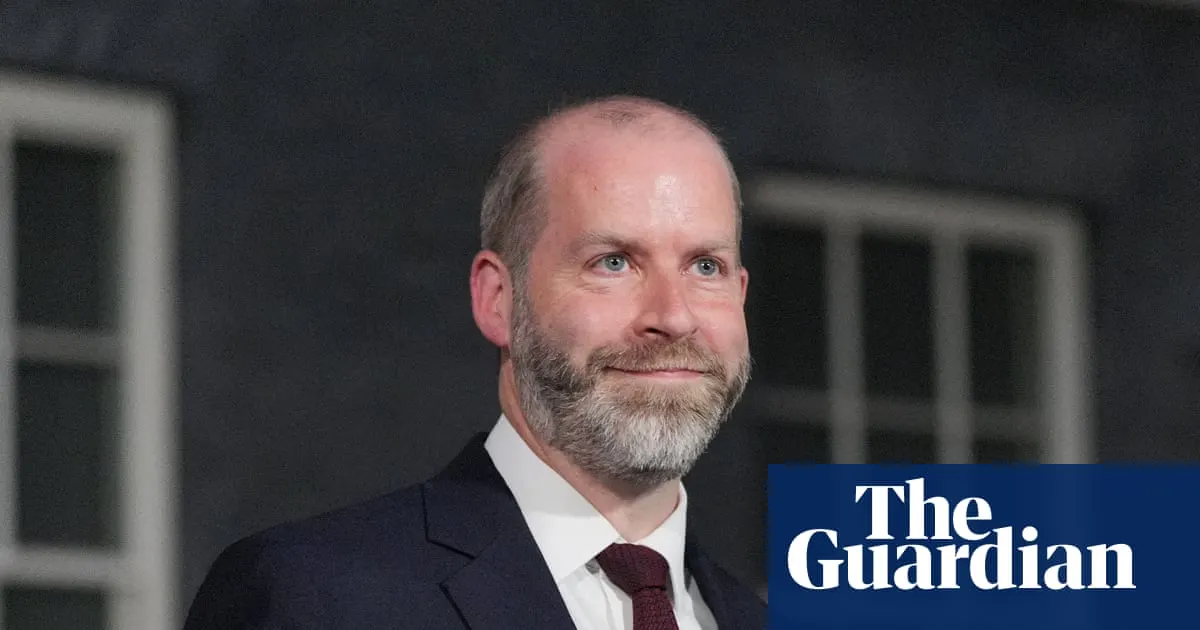
UK officials have started discussing possible long-term options for the country’s relationship with the EU, which could include a return to free movement, Business Secretary Jonathan Reynolds said. He stressed that immediate negotiations are focused on a November summit and practical agreements, while Prime Minister Andy Burnham is expected to set out longer-term choices and their trade-offs afterwards.
The summit is expected to address a food and drink deal, emissions trading and youth mobility, with the government seeking to reduce uncertainty from EU policy changes. Reynolds said voters would decide any future course, but did not say whether that would be through an election or referendum. Some Labour MPs and Reform UK leader Nigel Farage warned that reopening the free movement debate could be divisive and lack a mandate.
In short
- UK officials are discussing long-term EU relationship options.
- November summit talks focus on trade and youth mobility.
- Reynolds says voters will decide the UK’s future course.
Steelman: both sides, in good faith
The strongest fair case each way — we don't pick a winner.
The case for
Supporters of discussing free movement argue that the UK should examine the full range of long-term options with the EU rather than rule out choices in advance. A closer relationship could make it easier to trade, work and study across borders, and setting out the costs and benefits would let voters judge the options openly.
The case against
Critics argue that free movement is a major change with consequences for migration, public services and the UK’s relationship with the EU, so reopening it without a clear mandate risks deepening division. They may favour pursuing practical agreements at the summit while reserving any broader change for a specific public decision, such as an election or referendum.
Explained simply
The UK left the European Union in 2020, ending the right of UK and EU citizens to live and work freely across each other’s borders. Since then, the two sides have made agreements on trade and cooperation, while Britain has set its own immigration rules.
Jonathan Reynolds is the UK Business Secretary, and Andy Burnham is the Prime Minister. Their government is discussing practical arrangements with the EU, including possible deals on food and drink, emissions and youth mobility; any wider change to how closely the UK is tied to the EU could affect work, travel and trade.
Free movement would allow people to move between the UK and EU to live and work, subject to any agreed rules. The issue remains politically contested: some Labour MPs and Reform UK leader Nigel Farage have questioned whether reopening it has public backing, while the government says voters would decide any future direction.
Americas Business Europe Geopolitics Politics Software Technology UK World