UK Records Highest Daily Migrant Arrivals Since July as South Coast Tensions Rise
Developed over time first seen 2 months ago
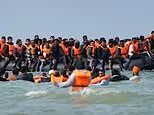
British authorities recorded 625 migrant arrivals on Sunday, the highest daily figure since 29 July, following the successful crossing of a large boat carrying approximately 140 people to Portsmouth. The landing prompted demonstrations and clashes along England's South Coast, including protests in Portsmouth and a reported blockade at the Port of Dover, raising questions about the government's response to the escalating situation.
French officials have indicated that migrant boats are increasingly attempting longer-distance crossings to reach Britain's South Coast, bypassing the traditional Calais-to-Dover route. This shift in crossing patterns reflects evolving tactics among migrants attempting to reach the UK, and warnings from French authorities suggest such attempts are likely to continue despite heightened public tensions in affected coastal communities.
- Sources
- 2
- Outlets
- 1
- Left · Centre · Right
- 0 · 0 · 2
In short
- 625 migrants arrived on a single Sunday—the highest daily total since late July
- A boat carrying 140 people reached Portsmouth, triggering South Coast protests and clashes
- French officials warn of ongoing long-distance crossing attempts as migrants shift away from traditional routes
How this story developed
- 2 months ago British authorities recorded 625 migrant arrivals on Sunday, the highest daily figure since 29 July, following the successful crossing of a large boat carrying approximately 140 people to Portsmouth.
- Daily Mail More migrant small boats will follow long distance route to Britain’s South Coast, French officials warn after Portsmouth mega-dinghy sparked protest
- Daily Mail The migrant crisis is now a national emergency and if Burnham keeps ignoring it, these ugly protests will only grow: DR ALAN MENDOZA
Full account
The Home Office has confirmed that 625 migrants crossed the Channel to Britain on Sunday, the highest daily total recorded since 29 July, with a further batch of around 130 arrivals — not yet officially confirmed — reaching the coast in the early hours of Monday. The surge coincided with the arrival in Portsmouth of an unusually large inflatable dinghy that had made a far longer sea journey than is typical for Channel crossings, prompting warnings from French officials that people-smuggling networks may be shifting their operations westward along the Normandy coast.
The vessel involved, described as a 46-foot 'mega-dinghy', is reported to have set off from an isolated, unpatrolled beach near Jobourg in Normandy in the early hours of Sunday, carrying what French sources put at around 140 people, including roughly 20 women and eight very young children (one image caption accompanying the reporting put the number nearer 120, illustrating some uncertainty over the exact figure). The crossing, of about 70 miles, was markedly longer than the usual short-hop routes between Calais and Dover and is said to be the first of its kind. The dinghy's outboard motor failed roughly an hour into the journey, leaving it drifting some 14 miles off the French coast; passengers made mayday calls but, according to a French search-and-rescue source, declined offers of rescue. Five French rescue boats and two helicopters shadowed the vessel, distributing life jackets, before a second motor was got working and the dinghy completed a 14-hour crossing to Britain, where it was met by RNLI vessels and brought ashore at Eastney Beach.
The landing triggered angry scenes on the ground. Demonstrators clashed with police at the scene before being dispersed in the early hours of Monday, and separate accounts describe wider unrest along the South Coast, including protests said to have blockaded the Port of Dover and crowds moving through Portsmouth. French officials told reporters they expect the Normandy route to be used more frequently in the coming weeks, saying smugglers are finding it increasingly difficult to launch boats from the Pas-de-Calais and are adapting by moving further along the coast — with Sunday's crossing cited as proof that the longer voyage 'can be done'.
The episode has reignited criticism of the Government's handling of Channel crossings, with commentary pieces accusing ministers, including Home Secretary Shabana Mahmood, of retreating from earlier pledges to tighten rules around Indefinite Leave to Remain and to curb what critics call abuse of the asylum system. Such commentary frames the events as evidence of a broader failure to grip an escalating crisis, though these claims — along with wider figures cited about migration levels and welfare eligibility — reflect one side's political argument rather than agreed fact, and were not corroborated by the factual reporting on the Portsmouth incident itself.
Where outlets differ
From the full account, which is AI-written from the sources:
Source 1 is an opinion/comment column that frames the story around political criticism of the Prime Minister's inaction, alleging a blockade at Dover by 'masked men' and crowds moving through Portsmouth, and making broader claims about migration numbers, welfare costs and the Home Secretary's record — none of which are verified or repeated in the factual reporting.
Source 2 is a factual news report focused specifically on the Portsmouth 'mega-dinghy' incident, sourced to French interior ministry and search-and-rescue officials, and describes clashes between protesters and police only at the Portsmouth landing site, without mentioning any blockade at Dover.
There is a minor discrepancy in the passenger count for the dinghy: the article text states around 140 people were aboard, while an accompanying image caption refers to 120 migrants.
Source 1 attributes specific policy failures (on Indefinite Leave to Remain reform) to the Home Secretary and cites a five-year welfare/housing eligibility threshold and a two-million migrant figure over five years, none of which appear in or are checked against Source 2's reporting.
Steelman: both sides, in good faith
The strongest fair case each way — we don't pick a winner.
The case for
Those calling for firmer action argue that a democratic country is entitled to control who enters its territory, and that record daily arrivals via increasingly circuitous Channel routes show existing deterrents are failing. They contend that repeated small-boat crossings undermine public confidence in the asylum system, place real strain on housing, healthcare and other local services in already-stretched coastal towns, and are unfair to those who wait patiently through legal migration channels. On this view, the frustration visible in South Coast communities reflects legitimate concerns about pace and scale rather than hostility to migrants as people, and it should prompt the government to strengthen border enforcement, speed up processing and pursue returns agreements.
The case against
Those more sympathetic to the arrivals argue that people crossing in overcrowded boats, including via longer and more dangerous routes to avoid patrols, are often fleeing war, persecution or extreme hardship, and that seeking asylum by whatever route is available is a recognised legal right, not an abuse of the system. They point out that the shift to riskier, longer crossings is itself a consequence of tightened enforcement around Calais and Dover, meaning stricter deterrence may be increasing danger to life rather than reducing arrivals. On this view, protests and blockades risk escalating tension and endangering vulnerable people, and the more constructive response is to expand safe and legal routes, invest in faster asylum processing, and address the root causes driving people to make such journeys in the first place.
Explained simply
Migrant crossings of the English Channel have been a persistent political issue in the UK for several years, with people making the often dangerous journey from northern France in small boats to claim asylum. Numbers rise and fall with weather and enforcement activity, and periodic spikes in arrivals tend to reignite debate over border policy, asylum processing and the resources needed to manage landings on England's South Coast.
The route between France and the UK has traditionally centred on the short crossing from Calais to Dover, but reports of boats attempting longer journeys to other South Coast towns, such as Portsmouth, mark a change in tactics. Both British and French authorities are involved, with cooperation between the two governments seen as central to managing crossings, though the two sides have sometimes differed over how much responsibility each should bear.
Large or unusual landings have previously drawn public attention and, at times, local protests, reflecting wider divisions in British public opinion over immigration and asylum policy. This context matters because a rise in arrivals, combined with visible community tension, can put pressure on the government to respond, whether through policing, diplomatic talks with France, or changes to asylum rules.
Coverage · 2 sources
Bias meters
From 2 rated sources.
- Daily MailRightThe migrant crisis is now a national emergency and if Burnham keeps ignoring it, these ugly protests will only grow: DR ALAN MENDOZA
- Daily MailRightMore migrant small boats will follow long distance route to Britain’s South Coast, French officials warn after Portsmouth mega-dinghy sparked protest
Americas Government Politics UK World