Entertainment news and discussion on TalkFuse.
UK spent £100m on zombie Brexit border inspection posts
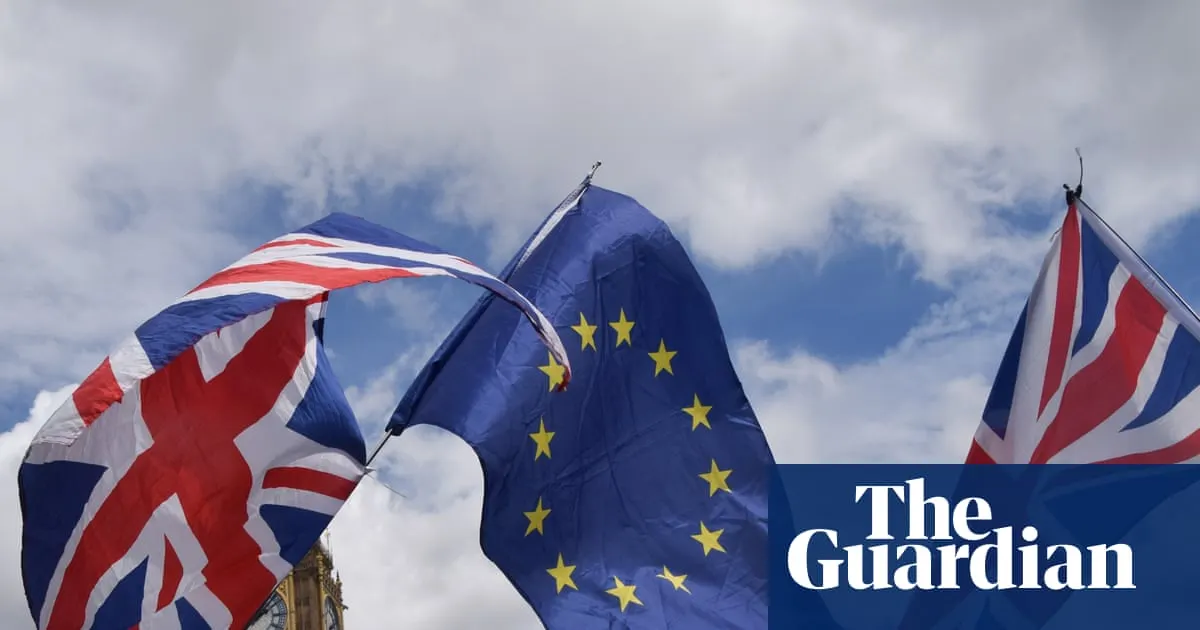
The UK spent at least £100m building Brexit border inspection facilities that were never fully used, after the government scaled back plans for checks on goods arriving from the EU. The spending highlights the cost of changing policy and poor preparation for new border arrangements.
Five of seven facilities in England and Wales never became operational. Portsmouth’s £23m post was used below full capacity, while Guston’s planned Dover facility cost £28m despite remaining a field. Other sites in Birmingham, Warrington, Ebbsfleet and North Weald incurred construction, preparation or closure costs; Portsmouth’s city council also covered a £6m funding shortfall.
In short
- At least £100m went on unused or underused border facilities.
- Five of seven English and Welsh sites never became operational.
- Policy changes left councils and taxpayers covering substantial costs.
Steelman: both sides, in good faith
The strongest fair case each way — we don't pick a winner.
The case for
Building inspection facilities was a reasonable precaution when the UK left the EU single market and new checks on goods were expected. Dedicated sites could have supported biosecurity, food safety and consistent enforcement, while allowing for the possibility that checks would be needed at scale; unused capacity may reflect later policy changes rather than the original decision alone.
The case against
Spending at least £100m on facilities that were never fully used suggests the government did not match construction plans to a credible assessment of how border checks would work. Given the scale of public spending and the later reduction in checks, critics can reasonably argue that better planning, phased investment or adaptable facilities would have reduced waste and avoided leaving some local authorities to cover shortfalls.
Explained simply
When the UK left the European Union’s single market, it planned new checks on goods arriving from the EU, including inspections of animals and food. These checks require suitable facilities near ports or other transport routes, where officials can examine goods and paperwork.
The government built or prepared several inspection sites in England and Wales, but later reduced the planned checks. As a result, five of the seven sites were never fully brought into use; Portsmouth operated below capacity, while the planned Dover site at Guston remained a field.
The sites involved central government, local councils and the port and freight businesses that handle trade. Their costs matter because they show how changes to border policy can affect public spending and the arrangements for moving goods.
Business Entertainment Horror Politics UK World